 +86-20-8759-9901
 Views: 0 Author: Site Editor Publish Time: 2026-08-27 Origin: Site


Formulating premium skincare creams presents a distinct sensory challenge. You need to deliver high active payloads and rich moisturization without leaving a heavy, sticky residue on the skin. Masking the tackiness of heavy emollients, organic UV filters, or high-glycerin systems requires precise rheological control. Traditional organic thickeners often fail here. They introduce stringiness or a draggy application profile that ruins the consumer experience and destabilizes the emulsion over time.
Integrating a Silicone Elastomer Blend provides the industry-standard structural and sensory solution. These advanced crosslinked polymers manipulate rheology, absorb excess sebum, and deliver a targeted dry-down profile. By acting as a microscopic sponge within the emulsion, they transform heavy oil phases into lightweight, powdery creams. Formulators rely on this specific technology to bridge the gap between high-performance hydration and exceptional cosmetic elegance, ensuring the final product feels as good as it performs on the skin.
Sensory Transformation: Silicone elastomer blends act as a primary silicone skin feel modifier, converting tacky or heavy oil phases into smooth, powdery, and matte finishes.
Rheological Control: Beyond aesthetics, these blends function as thickening agents for the oil phase, improving emulsion stability without the stringiness of high-molecular-weight linear silicones.
Formulation Flexibility: Selecting the right carrier fluid (e.g., volatile vs. non-volatile, cyclopentasiloxane vs. isohexadecane) dictates the playtime, volatility, and compatibility with active ingredients.
Implementation Realities: Successful scale-up requires precise shear management to prevent elastomer network degradation and mitigate consumer-end issues like product pilling.
A successful premium cream texture must meet strict baseline requirements during application. You cannot rely on standard lipids alone to hit all these targets simultaneously. We evaluate emulsion performance across four primary sensory dimensions:
Spreadability: The formulation must glide across the skin without pulling or requiring excessive force.
Cushion: The perceived thickness and softness between the fingers and the face. It prevents the feeling of rubbing bare skin against bare skin.
Playtime: The duration the product can be manipulated before it sets or absorbs.
After-feel: The residual sensation left on the epidermis, which must be conditioned and entirely free of tackiness.
The unique performance of these blends stems from their three-dimensional crosslinked network. Unlike linear silicones that flow freely as liquids, elastomers feature chemical bridges linking the siloxane polymer chains together. This architecture creates a flexible, rubber-like matrix. When introduced to a compatible carrier fluid, this crosslinked network absorbs the solvent and swells significantly, expanding its volume.
This swelling action creates a micro-sponge structure. During application, these swollen particles roll over the skin, providing the characteristic cushion. As the consumer applies pressure, the carrier fluid is slowly released from the matrix. This controlled release mechanism extends the playtime of the cream. It allows for an even, smooth distribution of the formulation across the epidermis without immediate evaporation or premature absorption.
Elastomers exhibit distinct shear-thinning behavior. At rest, the swollen polymer network builds significant yield stress within the oil phase. This stabilizes the emulsion and prevents the internal droplets from coalescing or separating. When shear is applied—such as rubbing the cream into the face—the viscosity drops rapidly, allowing the product to spread effortlessly.
Contrast this with traditional organic thickeners like carbomers or xanthan gum. While effective at building water-phase viscosity, organic gums often create a gelatinous texture. They leave a rigid film on the skin that feels tight or draggy as the water evaporates. Elastomers build oil-phase viscosity without adding these heavy sensory characteristics. They provide structural integrity to the cream in the jar while ensuring a frictionless, melting sensation upon application.
Comparison of Rheology Modifiers in Emulsions | |||
Modifier Type | Phase Thickened | Sensory Profile | Shear Behavior |
|---|---|---|---|
Carbomer | Water Phase | Crisp, watery break, can feel tight | High shear-thinning |
Xanthan Gum | Water Phase | Stringy, slightly tacky, draggy | Moderate shear-thinning |
High-Viscosity Dimethicone | Oil Phase | Greasy, heavy, high slip | Newtonian to slightly pseudoplastic |
Crosslinked Elastomer | Oil Phase | Powdery, cushioned, matte | Highly shear-thinning, thixotropic |
Specific chemical structures directly correlate to consumer-perceivable sensory benefits. The density of the crosslinking determines the firmness of the elastomer particle. Tighter crosslinking yields a harder particle that provides a drier, more powdery feel. Looser crosslinking creates a softer, more easily deformable particle that maximizes cushion and slip. By selecting the appropriate polymer architecture, you can precisely engineer the tactile experience of the final product.
A high-quality silicone skin feel modifier excels at tack reduction. High-glycerin formulations or those loaded with organic UV filters are notoriously sticky. The elastomer particles sit on the skin's surface, acting as physical ball bearings that prevent the tacky ingredients from adhering to the fingers during application. The porous nature of the elastomer network allows it to absorb excess sebum and skin oils throughout the day, maintaining a matte appearance.
These particles also deliver a pronounced soft-focus effect. Because the elastomer particles are larger than the wavelength of light and possess a specific refractive index, they scatter incoming light in multiple directions. This diffuse reflection blurs the appearance of fine lines, wrinkles, and enlarged pores. The physical filling of microscopic skin depressions combined with this optical blurring creates an immediate perception of smoother skin.
The transition from initial slip to a matte finish depends heavily on the evaporation dynamics of the carrier fluid. When a volatile carrier fluid is used, it provides initial lubrication and spreadability. As body heat accelerates the evaporation of this volatile fluid, the crosslinked elastomer network is left behind on the skin surface.
Because the fluid is gone, the swollen micro-sponges contract slightly, leaving a dry, breathable, and highly uniform film. This film feels distinctly powdery to the touch, entirely devoid of the greasiness associated with traditional oils or heavy waxes. This powdery dry-down is highly sought after in primers, matte moisturizers, and premium anti-aging creams.
You have several options for texture modification, ranging from standard linear fluids to natural powders and advanced crosslinked gels. Each category presents distinct advantages and limitations regarding sensory output, stability, and formulation compatibility. Understanding these differences prevents costly formulation dead-ends.
Standard linear silicones, such as 350 cSt or 1000 cSt dimethicone, provide excellent slip and reduce the soaping effect in emulsions. However, they have strict sensory limitations. Low-viscosity dimethicone feels light but lacks cushion and structure. High-viscosity dimethicone builds thickness but quickly becomes greasy, heavy, and difficult to spread across large surface areas.
A dimethicone crosspolymer gel solves this dilemma. The crosslinked structure provides the necessary viscosity and cushion without the associated greasiness. It delivers superior structural support to the emulsion while ensuring a drier, more elegant finish that linear fluids simply cannot replicate.
The current market push for clean beauty often leads brands to seek natural moisturizers that can boost skin texture. Natural alternatives like silica, bamboo powder, tapioca starch, and specialized alkanes are frequently employed to reduce greasiness and provide a matte finish.
An objective evaluation reveals significant trade-offs. Natural starches and powders can feel gritty if not milled perfectly. They often absorb water from the formulation, leading to instability and viscosity shifts over time. They struggle to match the exact slip, extended playtime, and non-comedogenic profile of silicone elastomers. Specialized natural alkanes offer good spreadability but lack the structural cushion and soft-focus blurring effects provided by a crosslinked polymer network.
To bridge the gap between performance and natural marketing claims, we increasingly adopt a hybrid strategy. This involves pairing high-performance natural botanical actives and plant-derived emollients with a low percentage of an elastomer blend. This precise combination achieves the sensory elegance expected of premium creams while maintaining a strong natural marketing angle. The elastomer masks the heavy feel of the plant oils, resulting in a balanced, highly stable product.
Innovation in this space has led to the emergence of elastomer blends dispersed in naturally derived or biodegradable carrier fluids. Instead of traditional cyclopentasiloxane or isododecane, manufacturers now offer crosslinked polymers swollen in carriers like C13-15 Alkane or plant-derived squalane. This approach significantly increases the natural origin index (ISO 16128) of the final emulsion while preserving the unique rheological and sensory benefits of the elastomer network.
Selecting a specific elastomer blend requires evaluating several technical criteria. You must assess the carrier fluid's volatility, the crosslink density, the active polymer content, and the overall compatibility with the intended lipid phase of the emulsion. Failure to align these parameters results in phase separation, poor sensory performance, or manufacturing difficulties on the production floor.
The carrier fluid of the elastomer must be highly compatible with the formulation's primary lipid phase. If the carrier fluid is highly non-polar and the formulation relies on polar plant oils, the elastomer may not disperse evenly, leading to a grainy texture. Matching the polarity ensures a homogeneous oil phase.
Carrier fluid volatility directly impacts the cooling effect and drying time on the skin. Highly volatile carriers evaporate quickly, absorbing heat from the skin and providing a subtle cooling sensation followed by an immediate powdery finish. Non-volatile carriers remain on the skin longer, extending the playtime and providing a more moisturizing, emollient feel suitable for night creams.
Carrier Fluid Volatility and Sensory Impact | |||
Carrier Fluid | Volatility Level | Playtime | Final Finish |
|---|---|---|---|
Isododecane | Very High | Short | Extremely dry, matte |
Cyclopentasiloxane (D5) | High | Medium-Short | Powdery, smooth |
2 cSt Dimethicone | Moderate | Medium | Silky, light cushion |
Squalane | Non-Volatile | Long | Rich, emollient, soft |
Elastomer blends exhibit excellent thermal stability, making them versatile across different manufacturing methods. Their incorporation protocols differ based on the emulsion type.
Hot Process Emulsions: Add elastomers post-emulsification during the cooling phase, strictly below 60°C. Adding them to the main oil phase before heating causes premature evaporation of volatile carrier fluids, altering the final texture and batch viscosity.
Cold Process Gels: Incorporate elastomers directly into the oil phase prior to mixing with the aqueous phase. Ensure thorough dispersion using a sweep or anchor agitator before introducing the water phase to prevent polymer clumping.
The porous nature of the elastomer network offers a unique advantage for active ingredient delivery. The micro-sponge structure can entrap lipophilic active ingredients, such as retinol, tocopherol, or oil-soluble vitamin C derivatives. Once applied to the skin, the elastomer matrix slowly releases these actives as the carrier fluid evaporates and the product is rubbed in. This controlled release mechanism enhances the stability of sensitive actives and reduces the irritation potential often associated with high concentrations of pure retinol.
Working with crosslinked polymers introduces specific formulation risks. Improper handling or incompatible ingredient combinations lead to catastrophic formulation failures, requiring complete reformulation and delaying product launches. You must anticipate these physical interactions during the R&D phase.
Pilling—where the cream balls up and rolls off the skin during application—is the most common consumer complaint associated with heavy polymer use. This occurs due to several distinct formulation errors.
Incompatibility with Film Formers: High-molecular-weight organic film formers clash with the elastomer network, causing the polymers to aggregate and precipitate out of the emulsion upon rubbing.
Excessive Concentration: Using too high a percentage of elastomer without sufficient liquid emollients to plasticize the film leads to a rigid structure that fractures and pills under shear.
Poor Dispersion: If the elastomer is not fully homogenized into the oil phase during manufacturing, localized clumps cause immediate roll-off on the skin.
Mitigation requires optimizing the ratio of the elastomer to linear silicones or compatible esters. Adding a small percentage of a medium-viscosity linear dimethicone plasticizes the elastomer network, increasing its flexibility and preventing pilling. Carefully select emulsifiers that do not interfere with the polymer matrix.
Swollen elastomer networks are highly shear-sensitive. While this shear-thinning property is desirable during application, it presents a massive risk during manufacturing. Subjecting the blend to high-shear homogenization for extended periods permanently fractures the crosslinked polymer chains. Once broken, the gel structure is destroyed, resulting in an irreversible drop in batch viscosity.
Modify your manufacturing protocols to prevent this mechanical degradation. Add the elastomer during the cooling phase under low-shear mixing using anchor or sweep agitation. If homogenization is absolutely necessary after addition, keep the duration extremely short and the RPMs as low as possible to maintain structural integrity.
The regulatory landscape regarding cyclic silicones (D4, D5, D6) has shifted dramatically. Traditional elastomer blends utilized cyclopentasiloxane (D5) as the primary carrier fluid due to its excellent volatility and sensory profile. Strict concentration limits on cyclics in wash-off and leave-on cosmetics require you to adapt your formulations.
The industry has rapidly shifted toward cyclic-free elastomer blends. You can now source identical crosslinked polymers swollen in alternative carrier systems, such as low-molecular-weight linear dimethicone or volatile organic esters like isododecane. These alternatives meet modern compliance standards while delivering nearly identical sensory performance, ensuring global regulatory acceptance without sacrificing texture.
Assessing the efficiency of an elastomer blend requires looking at the active polymer content. A blend might contain anywhere from 10% to 25% actual crosslinked polymer, with the remainder being the carrier fluid. A blend with a lower percentage of the active polymer requires a higher use level in the formulation to achieve the desired sensory effect.
You must evaluate the dilution rates to determine the true formulation efficiency. Optimal use levels typically range from 1% to 5% for subtle texture improvement and tack reduction in standard creams. For specialized products like makeup primers or highly matte moisturizers, usage rates can safely increase to 10% or more. Balancing the active polymer concentration against the required formulation percentage dictates your batch requirements.
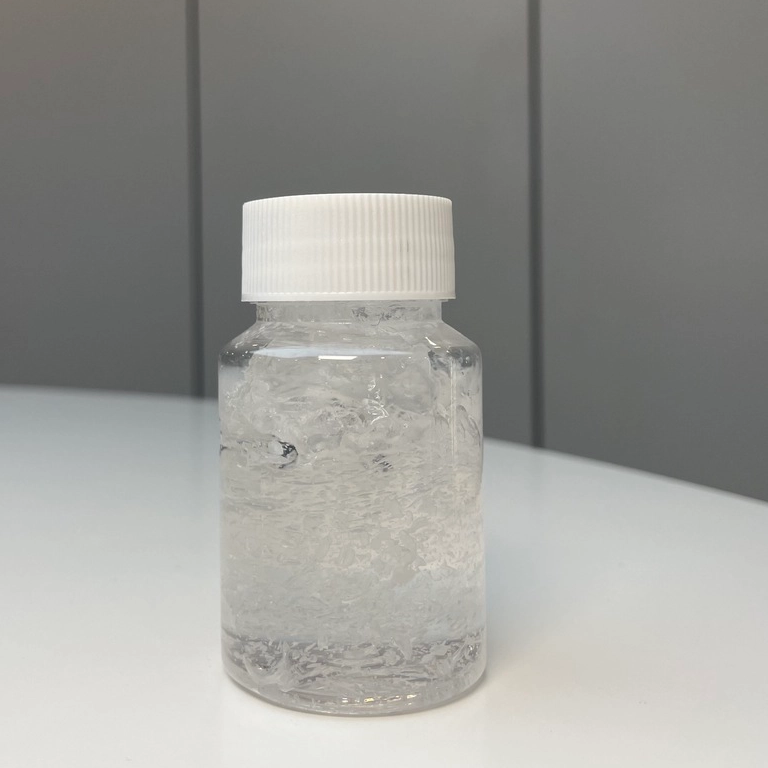
Physical handling of high-viscosity gels in a production environment presents distinct challenges. Elastomer blends are thick, translucent pastes that do not flow easily. Transferring them from drums to the main compounding vessel requires specialized equipment.
Standard centrifugal pumps will cavitate and fail to move the material. Positive displacement pumps, such as gear or lobe pumps, or pneumatic drum unloaders with follower plates are required to extrude the gel efficiently. You must account for transfer loss. The thick gel adheres strongly to drum walls and transfer hoses, leading to yield reductions if scraping and flushing protocols are not strictly enforced during scale-up.
Audit your current lipid phase polarity to select a compatible carrier fluid that prevents graininess and ensures homogeneous dispersion.
Run a shear-tolerance test using your standard homogenization RPMs to identify the exact viscosity drop-off point for your specific elastomer blend.
Formulate a knockout batch replacing traditional organic thickeners with the elastomer to measure the reduction in rub-out time and tackiness.
Transition legacy formulations containing D4 or D5 to cyclic-free alternatives using a direct 1:1 substitution trial to maintain global compliance.
A: A silicone fluid is a linear polymer that flows easily, providing liquid slip and reducing soaping, but it lacks structural support. A silicone elastomer blend features a crosslinked polymer network swollen in a carrier fluid. This three-dimensional structure acts like a micro-sponge, providing a powdery cushion, thickening the oil phase, and delivering a matte finish rather than a greasy residue.
A: Preventing pilling requires proper dispersion and balancing the lipid phase. If the gel is poorly mixed or used in excessively high concentrations without plasticizing emollients, it balls up under friction. Ensuring thorough, low-shear mixing during the cooling phase and pairing the gel with compatible medium-viscosity esters maintains film flexibility and prevents roll-off.
A: Yes. While silicones are synthetic, formulators frequently use hybrid approaches. By blending natural botanical emollients with a low percentage of an elastomer gel dispersed in bio-based carriers like C13-15 Alkane, you maximize the natural origin index while delivering the premium, non-greasy feel consumers expect.
A: Yes, these modifiers are highly compatible with cold processing. Because they do not require heat to melt or activate, they can be incorporated directly. Ensure the elastomer is thoroughly dispersed and homogenized into the oil phase using a sweep agitator prior to emulsification with the water phase to prevent clumping.
A: Optimal usage depends on the desired sensory outcome. For subtle texture improvement, tack reduction, and emulsion stabilization in standard face creams, 2% to 5% is typical. For specialized products requiring a heavy blurring effect, such as makeup primers or matte-finish moisturizers, usage rates range from 10% up to 20%.
A: Yes. Due to strict global regulations on cyclic silicones, suppliers offer a wide range of D5-free options. These modern blends utilize low-viscosity linear dimethicone or volatile organic carriers such as isododecane to meet compliance standards while maintaining the exact same powdery, dry-down sensory profile.
A: The carrier fluid dictates the playtime and finish. Volatile carriers evaporate quickly upon skin contact, leaving behind the dry polymer network for an immediate matte, powdery finish. Non-volatile carriers do not evaporate, providing extended playtime, enhanced spreadability, and a more moisturizing, emollient feel suitable for richer creams.