 +86-20-8759-9901
 Views: 0 Author: Site Editor Publish Time: 2026-06-13 Origin: Site


Personal care brands face a difficult balancing act today. Consumers demand wash-off products delivering a high-gloss, anti-frizz finish. However, they increasingly reject heavy formulas leaving greasy, limp residues. This creates a core challenge for cosmetic formulators. How do you deposit intensive nourishment in a rinse-off format without weighing hair down?
We introduce Dimethiconol as the ultimate solution. This high-value, reactive material effectively bridges the gap between deep nourishment and a weightless sensory experience. It outshines older ingredients by bonding smartly to damaged areas. Its unique chemical structure provides a breathable film, preventing moisture loss while maintaining natural volume.
In this guide, we will objectively evaluate its chemical advantages and synergistic formulation strategies. We will also cover its regulatory standing and business viability for modern shampoo lines. You will learn how to leverage this ingredient to meet modern consumer expectations for both pristine cleanliness and superior slip.
Structural Superiority: Dimethiconol’s terminal hydroxyl (-OH) groups allow for better interaction with hair proteins compared to standard dimethicone, delivering a breathable, non-greasy film.
Formulation Synergy: When paired with optimized surfactants (like TEA-Dodecylbenzenesulfonate), it provides a powerful smoothing effect without compromising cleansing efficacy.
Residue Management: Contrary to consumer myths, properly formulated Dimethiconol is shampoo-soluble and minimizes the buildup issues often misattributed to silicones but caused by polyquats.
Compliance Considerations: Evaluating Dimethiconol requires strict auditing of trace cyclic silicones (D4/D5/D6) to maintain compliance with upcoming EU REACH regulations.
Understanding the foundational chemistry reveals why formulators prefer this ingredient over traditional options. At its core, this ingredient is essentially dimethicone flanked by reactive hydroxyl (-OH) groups. This specific molecular structure transforms a basic conditioning agent into a highly functional silicone polymer.
The addition of terminal hydroxyl groups dramatically changes how the molecule behaves during application. These reactive ends provide two distinct functional outcomes.
Adhesion: Increased polarity improves the polymer's affinity to the hair shaft. It actively targets and binds to damaged cuticles. Standard linear silicones simply coat the surface evenly. The hydroxyl groups act like anchors, securing the protective film precisely where the hair needs it most.
Sensory Profile: It creates a lighter, more breathable barrier. This yields a superior sensory experience. Users notice significantly less "greasy feel" compared to non-reactive silicones. The hair moves naturally while retaining a high-gloss finish.
Beyond hair benefits, this ingredient offers a critical secondary function on the production floor. It acts as a highly efficient defoaming agent during the compounding process. High-shear mixing often introduces unwanted air, threatening emulsion stability. By controlling foam, it prevents emulsion separation. This ensures batch-to-batch consistency, saving manufacturers time and reducing material waste.
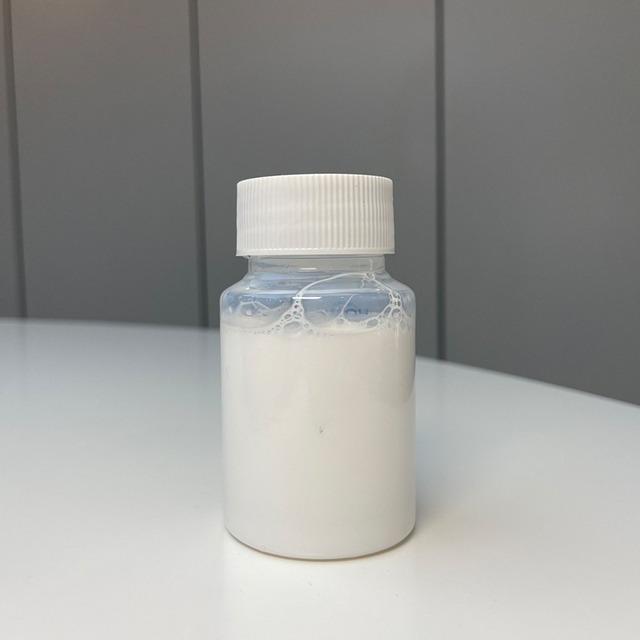
Formulating a high-performance wash-off product requires solving a fundamental contradiction. We call this the "spear and shield" approach. You must combine a cleansing agent designed to strip away oils (the spear) and a depositing conditioning agent designed to stay behind (the shield). Balancing these opposing forces dictates the success of a premium shampoo.
To achieve excellent hair conditioning, formulators must pair depositing polymers carefully. Pairing them with mild, highly effective anionic surfactants like TEA-Dodecylbenzenesulfonate offers a proven model. This surfactant clears sebum and stubborn product buildup. Crucially, it achieves this without stripping natural lipids from the scalp.
The deposition mechanism relies on precise timing during the rinse phase. As water dilutes the shampoo, the surfactant micelles break apart. The silicone polymer drops out of the solution. It then adheres to the hair shaft before the water washes it down the drain. This leaves a micro-fine protective layer exactly where intended.
Formulators often face a technical balance known as the coating paradox. You want the deposited film to retain moisture and provide a hydration lock. However, you cannot block subsequent treatments or hair colorants from penetrating the cuticle.
By leveraging reactive hydroxyl groups, the resulting film remains breathable. The polymer matrix allows essential water vapor to pass through. It protects the hair fiber from mechanical damage but does not seal it completely. This ensures post-wash serums, masks, and chemical treatments still perform effectively.
To understand the versatility of this ingredient, we must look at how it performs across different product types. Each shampoo category demands a distinct mechanism of action.
Shampoo Category | Primary Mechanism | Target Outcome |
|---|---|---|
Anti-Frizz & Smoothing | Flattens raised cuticles and reduces inter-fiber friction. | Immediate tactile improvement and visual polish for unruly hair types. |
Moisturizing & Damage Repair | Acts as a hydrophobic barrier against transepidermal water loss. | Reduces breakage and split ends without weighing down fine hair. |
Clarifying & Scalp-Reset | Provides essential post-cleanse lubrication to stripped strands. | Prevents the squeaky, tangled feel typical of deep-cleansing formulas. |
Frizz occurs when damaged, raised cuticles create friction and absorb ambient humidity. The polymer fills in these microscopic gaps. It flattens the cuticles, significantly reducing friction between individual hair fibers. This mechanism guarantees a powerful smoothing effect. The outcome provides immediate tactile improvement and visual polish, making unruly hair highly manageable.
Damaged hair suffers from severe transepidermal water loss (TEWL). When the internal moisture escapes, hair becomes brittle and prone to snapping. The polymer acts as an intelligent hydrophobic barrier. It locks internal moisture safely inside the cortex. As an outcome, it visibly reduces breakage and temporarily mends split ends. Unlike heavy oils, it delivers this repair without weighing down fine or thinning hair.
Clarifying formulas aggressively remove hard water minerals and styling residue. This intense cleaning process often leaves hair feeling terribly squeaky, dry, and tangled. Incorporating a trace amount of reactive silicone provides essential post-cleanse lubrication. This small addition prevents the tangled feel. It maintains a premium user experience even in deeply purifying treatments.
Despite strong technical performance, the anti-silicone movement heavily influences consumer buying habits. Formulators must understand these consumer fears to develop products effectively and educate marketing teams.
Consumers fear silicone accumulation above all else. They worry these ingredients permanently coat the hair, leading to heavy, lifeless locks. We must deconstruct this objection accurately. The raw material is technically non-water-soluble. However, it is easily shampoo-soluble. Standard daily-use shampoos possess enough surfactant power to remove the previous day's film completely. A properly formulated product cleans away the old layer before depositing a fresh one. It does not stack endlessly on the hair shaft.
Many brands switch to silicone-free formulas to appease consumers. To replace the lost conditioning performance, they often use high doses of polyquaternium compounds. Evidence-based context reveals a surprising truth. These polyquats are often the actual culprits behind stubborn, heavy buildup. They carry a strong positive charge, binding tightly to the negatively charged hair. They are much harder to wash out than reactive silicones. Consumers often misattribute this heavy, sticky buildup to silicones, punishing the wrong ingredient.
The market demands sulfate-free products. Consumers believe ultra-mild surfactants offer a gentler clean. Objectively, this creates a chemical reality formulators must confront. Ultra-mild surfactants often struggle to properly remove conditioning polymers. If a consumer uses heavy styling products but only washes with ultra-mild, sulfate-free cleansers, residue will inevitably accumulate. Over time, this leads to scalp irritation, dullness, and limp hair. Formulators must ensure substitute surfactants hold enough cleansing power to prevent long-term accumulation.
Bringing a new formulation to market requires looking beyond sensory performance. Global compliance and environmental pressures dictate the lifespan of any modern cosmetic product.
Regulatory bodies continue to scrutinize cyclic silicones due to their environmental persistence. The EU REACH regulations outline a strict regulatory timeline for cosmetic brands. By 2027, wash-off and leave-on products must contain less than 0.1% of specific cyclic silicones (D4, D5, and D6).
The reactive polymer itself is a larger, safer molecule and does not fall under this restriction. However, cyclic silicones are frequently used as solvents or remain as manufacturing byproducts. Formulators must rigorously audit their suppliers. You must request purity certifications proving trace cyclic impurities fall well below the incoming legal thresholds.
Beyond strict regulations, brands face intense pressure from eco-conscious consumers. We must acknowledge the high carbon footprint associated with silicone production. This footprint drives rising demand for biodegradable, plant-based alternatives like C13-15 alkanes. While these natural alternatives improve the environmental profile, they often struggle to match the immediate slip and gloss of traditional polymers.
Brand managers must follow a clear logic when deciding whether to adopt this ingredient. Consider these criteria before greenlighting a new project:
Target Market Demands: Is your target audience performance-driven, prioritizing immediate slip, shine, and detangling? If yes, this ingredient remains superior. If the market demands strictly "clean/green" beauty, you may need plant-based alkanes.
Cost-to-Performance Ratio: Emerging natural silicone alternatives carry a premium price tag. Compare the formulation costs. Often, a highly refined reactive silicone provides dramatically better conditioning at a fraction of the cost of green alternatives.
Formulation Compatibility: Assess your current surfactant chassis. Will your cleansing base effectively remove the polymer to prevent unwanted accumulation?
Dimethiconol stands out as a high-efficacy, sensory-enhancing ingredient essential for premium hair care. Its terminal hydroxyl groups allow for targeted repair, providing an exceptional finish without the dreaded greasy residue. It handles the core challenges of frizz reduction, moisture retention, and post-cleanse lubrication flawlessly.
Its continued success in your formulations relies heavily on precise surfactant pairing. You must balance the cleansing spear with the depositing shield. Furthermore, brands must invest in transparent consumer education regarding proper cleansing routines. Demystifying buildup and addressing the polyquat issue can restore consumer trust.
R&D teams and buyers must take immediate action to ensure future compliance. Request cyclic-free purity certifications from your raw material suppliers today. Following this, initiate robust stability testing with your primary surfactant chassis to guarantee perfect emulsion stability and deposition.
A: No, when used with appropriate cleansing routines. While it forms a substantive film for hair conditioning, it is easily removed by standard daily-use or clarifying shampoos. Problems only arise if users continuously apply heavy conditioning agents while strictly using weak, ultra-mild cleansers.
A: The presence of hydroxyl groups at the ends of the Dimethiconol molecule makes it more reactive. This specific structure allows it to bind more effectively to damaged hair cuticles. It provides a lighter, more breathable barrier, resulting in a less greasy smoothing effect compared to standard Dimethicone.
A: Yes, the polymer itself is safe and widely approved for cosmetic use. However, formulators must ensure the specific raw material blend contains less than 0.1% of restricted cyclic silicones (like D4, D5, or D6) to meet upcoming European REACH regulations.
A: Yes, but it requires careful formulation. The substitute surfactants must be robust enough to clear daily sebum and prevent long-term polymer accumulation, particularly on low-porosity hair types. Finding the right anionic surfactant balance is critical for sulfate-free success.