 +86-20-8759-9901
 Views: 0 Author: Site Editor Publish Time: 2026-05-31 Origin: Site


Formulators face a continuous challenge in modern personal care development. You must deliver premium, salon-grade thermal protection consistently across diverse product lines. You also need to maintain strict formulation stability while complying with rapidly evolving environmental regulations worldwide.
Standard neat silicone oils often present significant dispersion challenges during manufacturing. They stubbornly resist mixing into water-based systems without extreme mechanical shear and heat. These unstable mixtures inevitably lead to unwanted phase separation, inconsistent end-user performance, and costly ruined product batches.
Dimethicone Emulsions solve this dilemma by pre-suspending high-molecular-weight polymers in water using highly optimized surfactant matrices. This comprehensive guide breaks down the exact micro-mechanics behind this functional chemistry. We will evaluate critical sensory metrics and provide a practical framework to help you select the ideal conditioning agent.
Emulsion technology simplifies formulation by allowing high-viscosity silicones to be incorporated into aqueous systems, often enabling energy-saving cold processing.
Dimethicone emulsions restore the hair’s hydrophobic barrier, mimicking the native 18-MEA lipid layer lost to chemical and thermal damage.
Evaluating silicone conditioning requires strict sensory matrices, including wet slip, dry combing friction, and flyaway reduction, rather than generic "softness" claims.
Modern formulations must balance performance with regulatory compliance, specifically navigating EU restrictions on cyclosiloxanes (D4/D5/D6).
Understanding the fundamental difference between neat dimethicone and its emulsified counterpart remains crucial. Polydimethylsiloxane (PDMS) exists naturally as a highly viscous, hydrophobic fluid. Raw silicone repels water completely. Mixing raw silicone into aqueous shampoos requires immense mechanical force. We must force these hostile phases together artificially. Emulsions solve this inherent incompatibility elegantly. They encapsulate tiny silicone droplets within a carefully chosen surfactant system. Formulators typically utilize non-ionic or anionic surfactants for this task. These surfactants form a protective shell around the oil. This chemical wrapper makes the heavy polymers completely water-dispersible.
Modern emulsion technology dramatically improves daily manufacturing efficiency. Traditional silicone integration demands specialized high-shear milling equipment. Factories consume massive amounts of electrical energy heating giant compounding vessels. Pre-emulsified ingredients eliminate these demanding requirements entirely. You can disperse them smoothly at room temperature. Cold-process formulation saves substantial utility costs. It reduces overall batch cycle times significantly. Lower carbon footprints help brands meet strict corporate sustainability goals.
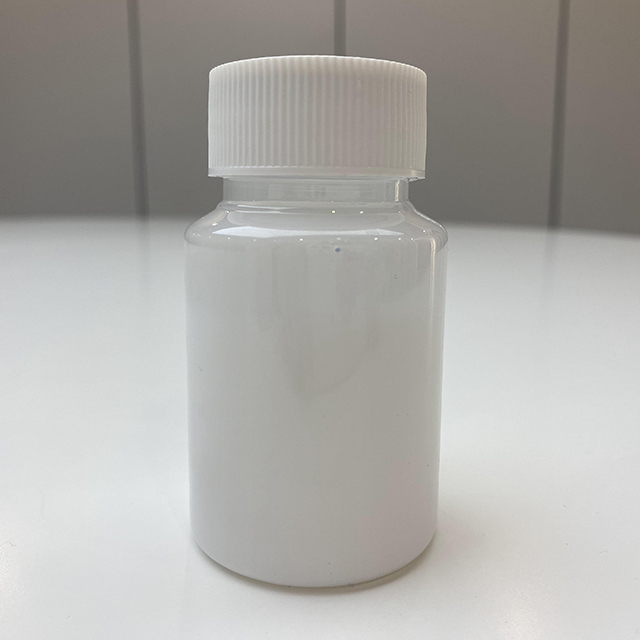
Droplet size dictates the final performance of your product. Manufacturers classify these dispersions into three main categories. Macro-emulsions contain larger internal phase droplets. They appear milky white and opaque in the drum. They deposit heavy conditioning layers onto thick hair types. Micro-emulsions feature much smaller droplet diameters. They look translucent or slightly blue. Nano-emulsions contain extremely tiny particles. These droplets measure smaller than the wavelength of visible light. They remain perfectly clear in solution. You must choose nano-emulsions for transparent shampoo formats.
Emulsion Classification | Average Droplet Size | Visual Appearance | Primary Formulation Application |
|---|---|---|---|
Macro-emulsion | > 1.0 µm | Opaque / Milky White | Heavy cream conditioners, hair masks |
Micro-emulsion | 0.1 µm – 1.0 µm | Translucent / Bluish | Leave-in sprays, daily conditioners |
Nano-emulsion | < 0.1 µm | Optically Clear | Clear shampoos, lightweight serums |
We must examine hair physiology at a microscopic level. Virgin hair features a highly resilient outer lipid layer. Dermatologists refer to this protective coating as 18-MEA. This vital layer gives natural hair its hydrophobic properties. Healthy hair repels excess water effortlessly. Daily grooming habits destroy this fragile barrier quickly. Harsh bleaching powders strip the lipids away entirely. High-heat styling tools vaporize the protective coating. The hair shaft transforms into a vulnerable hydrophilic state.
Damaged hair absorbs water like a dry sponge. Surface friction increases to dangerous levels. The natural isoelectric point of human hair is deeply acidic. It hovers closely around pH 3.67. Chemical damage exposes dense clusters of negative electrostatic charges. Hair strands begin to repel each other vigorously. This microscopic chaos causes visible frizz and unmanageable tangles.
Advanced polymers act as biomimetic replacements. They mimic the native hydrophobic barrier perfectly. Hair smoothing occurs when emulsified droplets deposit a micro-fine film. This uniform coating coats the compromised cuticle scales. It neutralizes negative charges instantly. The hair converts back from a fragile hydrophilic state. It regains its natural protected hydrophobic state.
Many consumers misunderstand how these protective films actually function. They assume synthetic oils suffocate the scalp. Science tells a entirely different story. Polysiloxane structures feature wide molecular bond angles. They are highly permeable to water vapor and atmospheric air. They allow the hair shaft to breathe freely. They strictly protect against liquid water ingress. Blocking liquid water prevents rapid strand swelling. This stops hygral fatigue before it starts.
Formulators must abandon vague marketing terminology. Moving beyond generic claims of smoothness is mandatory. You must evaluate raw materials using standardized sensory matrices. Objective data predicts consumer acceptance much more accurately. Relying on subjective touch tests leads to inconsistent batch quality. We measure conditioning efficacy through several defined physical dimensions.
Wet Slip & Combing: Wet hair is incredibly fragile. Water swells the inner cortex dramatically. We must reduce the mechanical force required for detangling. Virgin hair stretches up to 30 percent safely. Stretching past 80 percent guarantees irreversible breakage. Superior silicone conditioning Lowers combing friction exponentially. It prevents destructive over-stretching during shower routines.
Dry Friction & Flyaway Reduction: Dry brushing generates severe electrostatic charges. Strands repel one another aggressively. We mitigate this static buildup through targeted deposition. Cuticle edges lie flat against the shaft. The hair looks visibly sleeker and highly controlled.
Thermal Protection: Modern styling tools reach scorching temperatures easily. Flat irons routinely exceed 400 degrees Fahrenheit. Emulsions create a physical refractive barrier over the strand. This shield disperses heat energy rapidly. It prevents the internal keratin proteins from boiling and blistering.
Bodifying Volume: Heavy oils often cause premature flattening. Fine hair collapses under excessive product weight. We utilize precise molecular weight distributions to prevent this. High-refractive-index polymers deliver brilliant optical shine. They maintain bouncy volume for aging or thinning hair types.
Market skepticism presents a significant hurdle for cosmetic chemists. The clean beauty movement often mischaracterizes synthetic ingredients. Many consumers fear potential toxicity from lab-created compounds. They worry about pore-clogging side effects on the scalp. We must address these myths using verified scientific facts. High-molecular-weight dimethicone is strictly non-comedogenic. Its molecules are physically too large to penetrate human pores. Toxicologists continually prove it remains safe for topical use. It never enters the bloodstream under any circumstances.
We must acknowledge the reality of product build-up. Consumers do experience heavy, lifeless hair occasionally. However, this is rarely the fault of the raw material itself. Excessive accumulation stems from poor formulation architecture. Inexperienced chemists sometimes use poorly balanced heavy oils. They neglect to include sufficient cleansing mechanisms. This imbalance causes long-term tactile issues.
Achieving perfect formulation balance requires sophisticated chemical strategies. You can combine large polymers with intelligent co-emulsifiers. These helper molecules ensure superior wash-off efficacy during shampooing. They prevent stubborn layers from stacking atop one another endlessly. You might also utilize smart-targeted derivatives. Amodimethicone carries a distinct positive electrical charge. It behaves like a heat-seeking missile for damaged hair. It selectively binds only to negatively charged, highly damaged areas. Healthy hair sections remain perfectly clean and bouncy. This targeted approach prevents generalized heaviness entirely.
Navigating modern chemical regulations requires intense diligence. The European Union recently enacted massive regulatory shifts. Environmental agencies strictly scrutinize cyclical silicone structures. REACH guidelines heavily restrict cyclosiloxanes like D4, D5, and D6. These specific volatile compounds pose bioaccumulation risks in aquatic ecosystems. European law limits them to below 0.1 percent in wash-off products. Leave-on products face identical stringent limitations soon. Your raw material suppliers must provide strict trace-level guarantees. You cannot risk launching non-compliant inventory into international markets.
Product developers need rigorous selection criteria when choosing manufacturing partners. You should evaluate suppliers across several critical performance dimensions:
Surfactant Compatibility: You must match electrical charges perfectly. Combining an anionic shampoo chassis with a cationic emulsion invites disaster. The opposing charges will crash the system immediately. You will experience rapid phase separation. Non-ionic blends offer the safest universal compatibility.
Active Silicone Content: You must assess the internal payload percentage carefully. High active content lowers your overall shipping costs. It determines your precise cost-in-use formulas. Optimal final dosing typically falls between 1 and 5 percent. You scale this based on desired conditioning intensity.
Stability Testing: You must verify long-term physical performance aggressively. Subject the materials to extreme pH ranges. Run them through multiple freeze-thaw cycles. Monitor performance across high-temperature incubation chambers. Ensure the droplets do not coalesce over time.
Evaluation Parameter | Required Documentation | Acceptance Threshold |
|---|---|---|
Cyclosiloxane Levels | Certified TDS / COA | D4, D5, D6 < 0.1% combined |
Particle Size Distribution | Dynamic Light Scattering Report | Uniform bell curve, no large spikes |
Thermal Stability | Incubator Test Logs (45°C) | No separation after 12 weeks |
Dimethicone emulsions remain an unparalleled standard in modern cosmetic chemistry. They deliver measurable, immediate sensory improvements that consumers demand. They provide vital mechanical protection against daily grooming damage. These targeted formulas effectively rebuild the compromised hydrophobic barrier. They achieve all this while enabling highly efficient cold-process manufacturing.
R&D teams must take proactive steps moving forward. You should audit your current conditioning agents against the provided sensory matrix. Request updated technical data sheets verifying strict cyclosiloxane limits immediately. You must test overarching formulation compatibility using various droplet sizes. Doing so ensures your next haircare launch remains both highly effective and globally compliant.
A: Yes, they can be utilized in clear systems. You must specifically select a micro-emulsion or nano-emulsion for this application. The internal particle size must measure smaller than the wavelength of visible light. This prevents light scattering and maintains complete system transparency.
A: Standard dimethicone provides a uniform, even coating across the entire hair shaft for overall slip and shine. Amodimethicone is amine-functionalized and carries a cationic charge. It selectively binds to negatively charged, heavily damaged areas. This makes it ideal for targeted, intelligent damage repair.
A: Yes. One of their primary manufacturing benefits is supreme ease of use. They readily disperse into aqueous phases at room temperature. This eliminates the need for high-shear milling and heavy heating vessels. Formulators save significant heat energy and valuable processing time.