 +86-20-8759-9901
 Views: 0 Author: Site Editor Publish Time: 2026-06-10 Origin: Site


The personal care industry is undergoing a massive shift. Consumers now champion "skinimalism" and actively seek out barrier-protective formulas. They demand high-performing shampoos and body washes daily. However, they refuse to accept the barrier-stripping damage caused by traditional sulfate-based cleansers. This creates a distinct challenge for chemical formulators. Optimizing a formula to be gentle often ruins the sensory experience. You lose the rich lather, and operational viscosity drops dramatically.
Fortunately, we have a proven chemical solution. You can introduce a dual-charge compound to bridge this gap. This specialized ingredient manipulates micellar structures effectively. It mitigates irritation while simultaneously boosting the sensory profile and overall stability of your system. In this article, you will learn how to leverage these unique ingredients. We will explore their core mechanisms and evaluate the best chemical categories. You will discover practical formulation realities to elevate your next personal care project.
Formulation Synergy: Amphoteric surfactants form mixed micelles with anionic surfactants, significantly reducing epidermal penetration and irritation.
Sensory & Functional Optimization: They act as primary drivers for foam stability and viscosity build-up, essential for consumer acceptance in sulfate-free systems.
pH-Dependent Adaptability: Their zwitterionic nature allows them to shift functions based on formulation pH, requiring precise buffering during scale-up.
Market Compliance: High compatibility with bio-based, biodegradable, and sulfate-free market claims, supporting ESG-compliant supply chains.
Modern cleansers face intense scrutiny from educated consumers. We must clearly define the success criteria for these products. First, they must maintain stratum corneum integrity. Second, they still need to remove excess sebum and environmental particulates effectively. Finding this delicate balance is incredibly difficult for development teams.
Traditional surfactant systems rely heavily on primary anionics. Ingredients like sodium lauryl sulfate clean exceptionally well. Yet, they are too harsh on their own. They denature skin proteins and aggressively extract essential epidermal lipids. This leaves the skin feeling tight, dry, and highly sensitized. Consumers quickly reject products causing this level of discomfort.
Conversely, formulators often turn to non-ionic surfactants for extreme mildness. Alkyl polyglucosides offer an incredibly gentle profile. However, they usually yield poor foaming characteristics. They also produce thin, watery textures. You cannot rely on them solely if you want a luxurious consumer experience. Market data shows consumers still equate dense lather with cleansing efficacy.
This is where the co-surfactant becomes critical. You must position dual-charged compounds not just as secondary additives. They serve as essential structural modifiers. You need them to develop a commercially viable mild cleanser. They bridge the gap between clinical safety and delightful sensory feedback. By integrating them, you transform a flat, watery blend into a robust, retail-ready product.
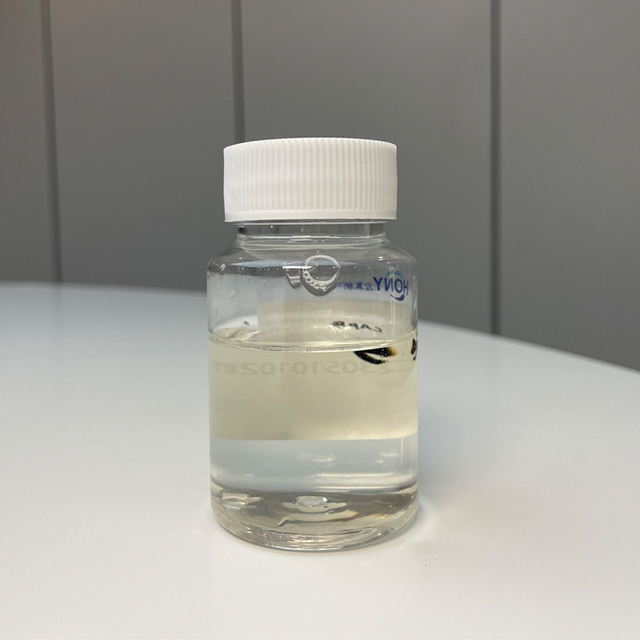
The true power of these ingredients lies in their distinct physical chemistry. They exhibit a fascinating "chameleon" effect based on their environment. Their zwitterionic nature allows them to change their ionic charge dynamically. In acidic environments, they behave as cations. This provides excellent conditioning and antistatic benefits for hair care applications. In alkaline environments, they act as anions. This aids significantly in heavy-duty cleansing.
Perhaps their most valuable trait is irritation mitigation. This relies heavily on the established mixed micelle theory. An Amphoteric Surfactant combines closely with primary anionic molecules in solution. Together, they form much larger mixed micelles. Small surfactant monomers normally penetrate the skin barrier easily. They cause redness, itching, and irritation. Larger mixed micelles simply cannot penetrate the epidermis. This protects the skin and scalp effectively from chemical damage.
Additionally, they drive crucial viscosity build-up. Formulators frequently utilize the predictable salt-response curve. When you add simple electrolytes like sodium chloride, the micellar structures change. They transition from spherical shapes to elongated, rod-like structures. These rods entangle and build substantial formula thickness. This reduces your reliance on expensive synthetic rheology modifiers.
Finally, these compounds excel at enhancing lather quality. They lower the surface tension and stabilize the delicate air-water interface during consumer use. This results in a much denser, creamier foam. This foam resists collapsing, even in the presence of hard water and heavy sebum. They guarantee exceptional foam stability for premium body washes and facial cleansers.
Choosing the right raw material requires careful consideration and testing. You need a structured decision matrix context for your R&D team. Formulators must select the right INCI based on target formulation outcomes. You must carefully weigh electrolyte tolerance, pH ranges, and bulk unit price points.
We can break down the commercial market into three primary categories:
Alkyl Betaines (e.g., Cocamidopropyl Betaine - CAPB): This represents the unquestioned industry standard. It is highly cost-effective and readily available globally. It works perfectly for broad-market shampoos and standard body washes. However, you face certain risks. Low-quality sources often contain residual amidoamines. These specific impurities can trigger allergic sensitivities in consumers.
Hydroxysultaines (e.g., Lauryl Hydroxysultaine): This category offers distinct premium advantages over standard betaines. It provides superior stability across extreme pH ranges. It generates faster flash foam during initial application. It also boasts a much higher electrolyte tolerance. We highly recommend it for premium, thick sulfate-free lines.
Amine Oxides (e.g., Lauramine Oxide): These compounds act as exceptional foam boosters. They are also highly effective grease-cutters. Chemists frequently leverage them in clarifying shampoos or active-heavy facial cleansers where sebum removal is critical.
To help guide your raw material selection, review the structural comparison chart below:
Surfactant Category | Primary Advantages | Common Limitations | Ideal Product Application |
|---|---|---|---|
Alkyl Betaines | Highly cost-effective, excellent baseline viscosity building. | Potential trace impurities (amidoamines) if poorly sourced. | Mass-market shampoos, family body washes. |
Hydroxysultaines | Extreme pH stability, high electrolyte tolerance, rapid flash foam. | Higher raw material cost compared to standard betaines. | Premium sulfate-free cleansers, sensitive skin washes. |
Amine Oxides | Unmatched grease cutting, exceptional foam boosting properties. | Less effective at building high viscosity without salt. | Clarifying shampoos, heavy-duty facial cleansers. |
Moving from the laboratory bench to the commercial production floor introduces distinct risks. You must manage several critical quality control hurdles to ensure batch-to-batch consistency. Neglecting these realities often leads to expensive product recalls or consumer complaints.
First, you must respect their intense pH sensitivity. Strict pH monitoring during the compounding phase is absolutely non-negotiable. Sudden pH drops can quickly alter the compound's ionic charge. This frequently leads to unexpected formulation separation. It can also cause catastrophic viscosity crashes inside the main mixing tank. You must add pH adjusters slowly and measure the batch continuously.
Second, you face serious preservation hurdles. We know milder, bio-based surfactant systems are notoriously difficult to preserve effectively. They provide an excellent, gentle environment for microbes to thrive. You must conduct rigorous challenge testing early in the development cycle. Ensure your chosen compound works seamlessly with broad-spectrum, non-traditional preservative blends.
Third, prioritize stringent sourcing and impurity assays. Procurement teams play a vital role here. You must mandate strict Certificates of Analysis (COAs) from all global suppliers. Focus specifically on free amine and unreacted precursor levels. Keeping these chemical impurities near absolute zero helps maintain a truly skin-friendly hypoallergenic profile for your finished goods.
Rushing the Salt Addition: Adding sodium chloride too quickly causes localized "salting out." Always add electrolytes dissolved in water slowly.
Ignoring Water Hardness: Failing to add chelating agents (like EDTA or phytic acid) can drastically reduce foaming performance in hard water regions.
Overlooking Heat Sensitivity: Exposing certain betaines to prolonged high heat during processing can degrade the material and cause severe color shifts.
Regulatory compliance and marketing claims drive personal care product sales today. Consumers actively scan ingredient labels before making purchasing decisions. Incorporating these dual-charged ingredients directly validates highly sought-after commercial labels. You can easily and safely substantiate "Sulfate-Free" and "Tear-Free" claims. They also serve as the essential backbone for emerging "Microbiome-Friendly" certifications. They respect the skin's natural acid mantle flawlessly.
We also see a massive industry shift toward natural-origin raw materials. You must address manufacturing scalability and sustainability simultaneously. Evaluate the deep supply chain implications of transitioning entirely to bio-based alternatives. RSPO-certified coconut or palm kernel derivatives are excellent ecological choices. They ensure strict deforestation-free compliance.
More importantly, utilizing verified bio-based sources protects your brand reputation. You secure comprehensive ESG (Environmental, Social, and Governance) compliance while maintaining a robust supply chain. This approach prevents material shortages without disrupting your massive production scale. Formulators must collaborate closely with regulatory teams to calculate the accurate Bio-based Carbon Index for final label claims.
To summarize, these dual-charge ingredients deliver immense, undeniable formulation value. They are non-negotiable architectural elements for modern personal care products. You absolutely need them to build efficacious, gentle, and highly stable cleansing systems. They successfully bridge the widening gap between clinical mildness and delightful sensory feedback.
We recommend immediate, practical action for your R&D teams. Begin by constructing a comprehensive base compatibility matrix today. Test your preferred co-surfactants against existing primary cleansers at varying salt concentrations. You must carefully map the viscosity and foam profile curve thoroughly. Complete this exhaustive mapping before you initiate any pilot-scale production to guarantee commercial success.
A: While both are frequently utilized for mildness, they operate differently. Amphoterics carry a dynamic, pH-dependent electrical charge. This unique charge enables better hair conditioning and substantial viscosity building. Non-ionics carry absolutely no electrical charge. They are extremely gentle but typically offer weaker foaming and thickening capabilities.
A: Yes, but this is uncommon. You typically see them as primary cleansers only in highly specialized applications, like ultra-mild baby washes. For standard body washes and shampoos, they are primarily utilized as secondary co-surfactants. This strategy perfectly balances the cost-to-performance ratio of the final formulation.
A: Not universally. While many derive from natural fatty acids like coconut oil, they still undergo synthetic chemical processing. We urge buyers to verify supplier data carefully. Always request bio-based carbon index documentation and formal biodegradation testing results to substantiate any "green" or "clean" product claims.