 +86-20-8759-9901
 Views: 0 Author: Site Editor Publish Time: 2026-04-16 Origin: Site


Hair can start to look weaker for different reasons, and not all of them begin on the surface. Dryness, dullness, and rough texture often show up on the hair strand, while reduced fullness, fragile roots, and a less healthy appearance may be linked more closely to the scalp environment. That is why Nutrient Supply for Hair Care matters in modern hair care discussions. For Hony Chem, this idea is not simply about making hair look better for a day. It is about helping products support the scalp and follicle area in a way that contributes to stronger-looking, fuller-looking hair over time.
Many hair products are designed to improve how the strand feels and looks. They add softness, reduce tangling, and make hair easier to style. These benefits are important, but they do not explain every hair concern.
When people notice that hair looks weaker over time, the issue is often larger than surface condition alone. Hair can still feel smooth after washing but appear less resilient, less lively, or less full overall. This is where scalp nourishment and root-level support become more relevant. A routine focused only on cosmetic finish may improve immediate appearance, but it may not address the deeper concern behind fragile-looking hair.
This distinction is useful for both consumers and brands. It helps explain why some products are created not only for shine or softness, but for hair growth support and anti-hair loss care.
The scalp is where hair begins, so it cannot be separated from the conversation about stronger-looking hair. When the scalp environment is stressed or poorly supported, hair may not show its best condition over time.
That is why scalp-focused care has become more important in product development. Consumers are no longer satisfied with broad claims that only promise beauty on the surface. They want formulas that speak to the place where healthy-looking hair starts. For a company like Hony Chem, this creates room for more targeted solutions that support the scalp and help build more meaningful hair care routines.
The phrase nutrient supply can sound broad, but in hair care it points to a clear idea: supporting the environment around the root rather than only coating the strand. This is especially relevant in formulas designed for scalp application or regular use in routines that aim to improve the appearance of weak-looking hair.
A nutrient-supply approach gives the product a more specific role. It tells users that the formula is not only there for instant cosmetic effect. It is there to support the scalp area in a way that aligns with longer-term hair appearance goals.
Hair changes gradually, not overnight. Because hair moves through a cycle, support aimed at the scalp and follicle environment usually makes the most sense when used consistently. This is one reason nutrient-supply hair care is often discussed as part of an ongoing routine rather than a quick fix.
Consumers who understand this are often more realistic about results. They know that healthy-looking growth and stronger-looking hair usually depend on repeated care. That makes nutrient supply especially relevant for readers searching for practical, believable hair care information.
Shine products and nutrient-supply products do not play the same role. A shine product improves how hair looks immediately. A nutrient-supply-focused formula is meant to support the scalp and root area over time.
This difference matters because many users confuse quick visual improvement with deeper care. Hair can look glossy after one application, but that does not always mean the routine supports scalp health or hair follicle support. A more targeted approach gives the routine greater purpose and helps users understand why different products exist for different goals.
Hair concern | What people usually notice | What nutrient-supply care focuses on | Common product format |
Hair feels weaker over time | More shedding, less fullness | Root and scalp support | Scalp serum / hair oil |
Hair looks fine but lacks resilience | Flat, fragile look | Follicle environment | Shampoo / conditioner |
Leave-on products often make sense for nutrient-supply care because they stay in contact with the scalp longer. This gives scalp serums, treatment oils, and similar formats a clear role in routines focused on hair growth support or anti-hair loss care.
A leave-on format also allows a product to feel more targeted. It can speak directly to scalp nourishment instead of acting only as a general hair care step. For Hony Chem, this is one reason nutrient-focused ingredients can work well in more specialized applications.
Still, performance alone is not enough. A good leave-on product must also feel comfortable in daily use. If it is too heavy or greasy, users are less likely to stay consistent, and consistency is essential in this category.
Wash-off products also have value in a nutrient-supply routine. Shampoo and conditioner may not stay on the scalp as long as a leave-on product, but they are part of everyday use and can support the overall direction of the routine.
A shampoo in this category should cleanse without making the scalp feel overly stripped. A conditioner can support softness and manageability while still fitting into a broader story of scalp-aware care. Hony Chem highlights this flexibility by showing how targeted ingredients can be used in hair oil, shampoo, conditioner, and hair gel. That allows brands to develop complete ranges rather than relying on one product alone.
This topic matters most to people who feel that ordinary smoothing products are no longer enough. They may notice more hair on the brush, less fullness than before, or a scalp routine that feels unbalanced after frequent washing, styling, or heat use.
For these users, nutrient-supply care offers a more focused direction. It shifts the conversation from temporary improvement to support that feels more connected to the scalp and root area. That makes the concept easier to understand and more relevant to real concerns.
Some readers are not responding to a major problem. They simply want a smarter hair care routine before visible weakness becomes more obvious. They prefer products with a clearer purpose and are more likely to appreciate ingredient-driven solutions.
This is where educational content becomes valuable. When readers understand what nutrient supply means, they are more likely to connect with formulas built around scalp support instead of generic beauty claims. That creates a stronger bridge between product education and customer interest.
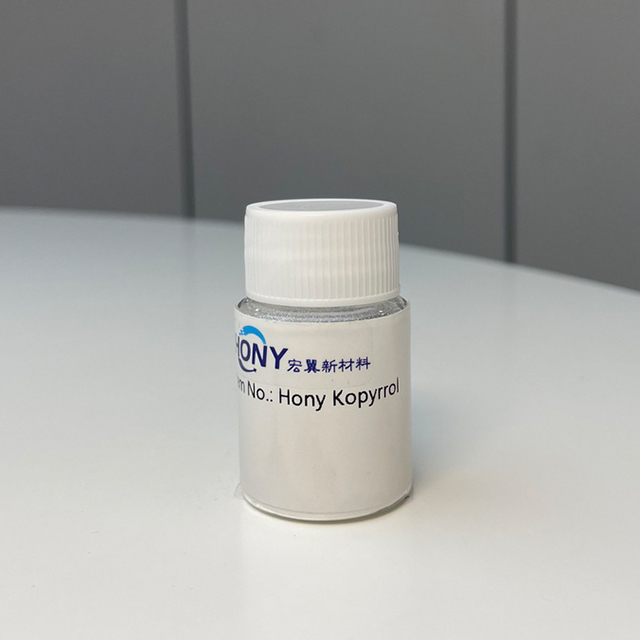
Nutrient Supply for Hair Care is best understood as support for the scalp and follicle environment, not just a surface-level beauty claim. It helps explain why some formulas are designed to do more than improve shine or softness after one wash. For brands developing more purposeful hair care products, this direction creates better product stories and more targeted solutions for users who want stronger-looking hair over time. Hony Chem continues to focus on ingredient innovation in this area, and Hony KOPYRROL reflects that approach through applications in scalp-focused and anti-loss hair care. If you are developing a hair care line with a clearer performance story, contact us to learn more about Hony Chem solutions.
It refers to hair care that supports the scalp and root environment rather than focusing only on the visible hair strand. The goal is to help hair look healthier and stronger over time.
No. Conditioning mainly improves softness, smoothness, and combing on the hair surface. Nutrient-supply care is more closely linked to scalp nourishment and hair follicle support.
They can be used in scalp serums, hair oils, shampoos, conditioners, and hair gels. The right format depends on how the product is meant to support the scalp and how often it will be used.
It is especially relevant for people dealing with visible shedding, fragile-looking roots, or reduced fullness, as well as those who want a more targeted routine built around hair growth support and anti-hair loss care.