

 +86-20-8759-9901
 Views: 0 Author: Site Editor Publish Time: 2026-08-26 Origin: Site


Formulating high-performance hair care products requires balancing intensive conditioning with sensory lightness. This challenge is frequently derailed by the unpredictable deposition of traditional conditioning agents. Standard silicone oils often deposit uniformly or aggregate at the roots. This leads to premature buildup, weighed-down hair, and interference with the air-water interfaces required for stable foam formation. Meanwhile, highly damaged tips remain under-conditioned and vulnerable to mechanical stress. Transitioning from legacy large-particle silicone oils to advanced cationic systems allows formulators to engineer site-specific deposition. Specifically, utilizing an Amino Functional Silicone Emulsion targets structural damage while preserving root volume and surfactant efficacy. By leveraging electrostatic attraction, these functionalized polymers bind directly to the negatively charged sites of weathered keratin. This targeted approach eliminates the heavy, greasy after-feel associated with older formulations, delivering the clean, lightweight conditioning modern consumers demand.
Targeted Deposition: The cationic nature of amino-modified silicones drives preferential binding to the negatively charged, damaged areas of the hair fiber (tips) rather than healthy, unweathered areas (roots).
Droplet Size Dictates Performance: Microemulsions penetrate cuticle gaps more effectively than large-particle macroemulsions, reducing surface buildup and improving long-term hair health.
Formulation Versatility: Optimized particle sizes and emulsifier systems enable the development of a transparent shampoo silicone conditioner without sacrificing wet slip or dry combing benefits.
Stability and Yield: Success depends on controlling oil viscosity and emulsion uniformity to prevent phase separation and maximize deposition yield during the rinsing phase.
Defining the success criteria for conditioning deposition requires a strict evaluation of where active ingredients land during the wash cycle. A successful formulation must achieve even coverage on damaged areas, minimal accumulation at the root, and zero interference with primary cleansing agents. Legacy formulations struggle to meet these criteria simultaneously. We measure this failure through extraction tests and scanning electron microscopy (SEM), which frequently reveal heavy silicone pooling near the scalp and exposed, unprotected cuticles at the hair ends.
Non-ionic, large-particle silicone oils, such as standard dimethicone, lack the electrical charge necessary for targeted adhesion. Without a mechanism to differentiate between healthy and damaged keratin, these oils coat the hair shaft indiscriminately. The physical limitations become obvious during application. Because these hydrophobic oils lack an affinity for specific damage sites, they naturally gravitate toward and adhere to sebum-rich areas near the scalp. This creates a root-heavy phenomenon.
The porous, highly damaged tips desperately require lubrication and protection. Yet, they often receive insufficient coverage because the oil has already aggregated higher up the hair shaft or washed away entirely. Furthermore, the sheer size of the droplets in traditional macroemulsions prevents them from integrating smoothly into the microscopic architecture of the hair. Instead of filling in the gaps of a lifted cuticle, large silicone droplets sit on the surface. This creates a heavy, artificial barrier that traps dirt and sebum. We see this in salon environments where clients complain of flat, lifeless hair after just a few weeks of using standard dimethicone-based products.
The indiscriminate behavior of standard silicone oils severely compromises the overall performance of the formulation. In shampoos, free silicone oil interferes directly at the air-water interface. This interference suppresses both foam volume and foam stability, leading to a subpar consumer experience. Formulators often attempt to compensate by increasing surfactant loads. This inadvertently increases the harshness of the product and further strips the hair of its natural lipids.
The sensory drawbacks are equally problematic. Consumers frequently report a greasy after-feel, significantly reduced hair volume, and a heavy sensation that worsens with repeated use. This cumulative buildup eventually requires harsh clarifying treatments to remove the stubborn silicone layer. This cycle of heavy coating followed by aggressive stripping sharply contrasts with the soft, silky, and dry feel modern consumers demand from premium hair care regimens. When evaluating wash-off products, the goal is to leave the hair feeling clean but conditioned, a balance impossible to strike when non-ionic oils blanket the entire fiber.
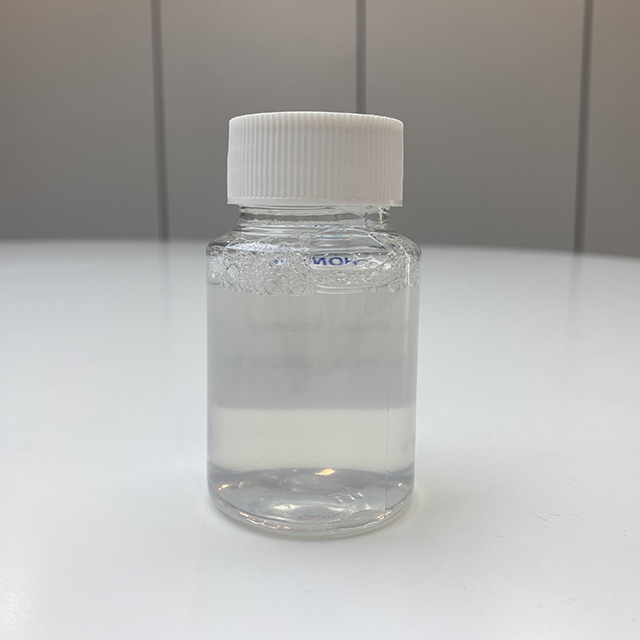
Amino-modified silicones represent a necessary structural upgrade over standard dimethicone. By introducing specific functional groups into the silicone polymer backbone, chemists have transformed a passive coating agent into an active, site-specific conditioning tool.
The chemistry behind this targeted approach relies on the behavior of amino groups in aqueous environments. In typical hair care formulations, which generally hover around a slightly acidic to neutral pH (typically 4.5 to 5.5), the nitrogen atoms in the amino groups protonate. This protonation yields a net positive, or cationic, charge along the silicone polymer. This charge is the primary driver of targeted deposition.
Understanding the interaction with hair keratin requires looking at the isoelectric point of the hair fiber. Virgin, healthy hair has a specific isoelectric point, usually around pH 3.67. However, weathered, chemically treated, or mechanically damaged hair has a significantly lower isoelectric point. Damage oxidizes the disulfide bonds in keratin, creating a higher density of negative charges, primarily in the form of cysteic acid residues. The positively charged amino silicone is electrostatically drawn to these highly concentrated negative charges. This maps a direct route for the emulsion, driving the conditioning agent directly to the sites of cuticle damage. We utilize zeta potential measurements to confirm this charge interaction, ensuring the emulsion carries a sufficient cationic charge density to overcome the natural repulsion of the water phase.
Empirical evidence consistently demonstrates that amino silicones deposit predominantly at the tips and significantly less at the roots. This optimized root-to-tip deposition ratio is critical for modern formulations. By targeting the damaged mid-lengths and ends, the silicone protects the most vulnerable parts of the hair from mechanical friction and combing force. Simultaneously, because the silicone avoids the healthy, less negatively charged roots, the hair retains its natural volume and movement.
The rinsing dynamic further enhances this targeted mechanism. The silicone primarily deposits onto hair fibers during the rinsing phase, triggered by the sudden dilution of the surfactant system. Because the emulsion remains stable and suspended during the initial application, it does not interfere with the air-water interfaces needed for initial foam formation. The active ingredient only drops out of suspension and binds to the hair when the water is introduced to rinse the product away. This delayed deposition mechanism is what allows formulators to create products that clean the scalp while conditioning the ends.
Translating theoretical chemistry into stable, high-yield products requires a rigorous assessment of physical properties. Delivering a soft, silky, and dry feel depends entirely on how the emulsion is engineered before it ever enters the final formulation.
The physical size of the silicone droplets determines where the conditioning agent ultimately resides. Sub-micron droplet sizes allow the silicone to penetrate the physical barrier of cuticle gaps rather than sitting exclusively on the hair surface. There is an established scientific correlation between silicone oil droplet stability, deposition efficiency on the hair shaft, and the resultant reduction in combing friction.
When evaluating an amodimethicone conditioning emulsion, formulators must choose between macroemulsions and microemulsions based on the desired outcome. Particle size analysis using dynamic light scattering provides the exact distribution curve needed to make this decision.
Property | Macroemulsion | Microemulsion |
|---|---|---|
Particle Size | Typically > 100 nm (often > 1 micron) | Typically < 40 nm |
Appearance | Milky, opaque white | Translucent to completely clear |
Deposition Location | Primarily surface coating | Penetrates cuticle gaps and surface |
Sensory Profile | Heavier, high slip, potential for buildup | Lightweight, dry silky feel, zero buildup |
Best Application | Intensive opaque masks, heavy conditioners | Clear shampoos, daily lightweight conditioners |
The relationship between internal oil phase viscosity and deposition efficiency is a critical factor in formulation success. The viscosity of the silicone oil inside the emulsion droplets dictates how the polymer spreads and adheres once it makes contact with the hair fiber. Increasing oil viscosity helps to increase both the rate and the total extent of silicone deposition onto human hair during the short contact time of a wash-off product.
Higher viscosity polymers form more durable, cross-linked films over the damaged sites. This durability translates to a longer-lasting conditioning effect that survives subsequent washings. However, managing high-viscosity oils requires robust emulsification systems to ensure the droplets remain stable in the aqueous phase and do not coalesce prematurely. We typically look for internal oil viscosities ranging from 10,000 to 100,000 centistokes depending on the target conditioning level. The emulsifier package must be tightly bound to the oil droplet to prevent phase separation during the high-shear mixing phases of production.
Consumer demand for clear, aesthetically pleasing products presents a unique challenge when incorporating conditioning oils. Formulating a transparent shampoo silicone conditioner requires strict adherence to refractive index matching and particle size requirements. To achieve optical clarity, the particle size of the emulsion must be smaller than the wavelength of visible light, typically under 40 nanometers.
Formulators must navigate the trade-offs between achieving this optical clarity and maintaining high conditioning efficacy. Extremely small particles require higher concentrations of emulsifiers, which can sometimes compete with the silicone for deposition sites on the hair. Optimizing the surfactant-to-oil ratio is essential to ensure the shampoo remains crystal clear in the bottle while still delivering a noticeable reduction in wet and dry combing friction. We often employ specialized non-ionic surfactants in the emulsion phase to maintain this delicate balance without disrupting the primary anionic cleansing chassis.
Integrating advanced emulsions into existing chassis introduces specific technical hurdles. Formulators must anticipate and mitigate these risks to ensure the final product remains stable, effective, and safe for consumer use.
The most significant risk involves adverse interactions between cationic amino silicones and strongly anionic primary surfactants, such as Sodium Lauryl Sulfate or Sodium Laureth Sulfate. Because opposite charges attract, mixing a cationic emulsion directly into an anionic chassis can cause immediate precipitation, resulting in a cloudy, unstable mess.
To prevent this, formulators must carefully manage the dilution-deposition mechanism known as coacervation. The goal is to design a system where the cationic and anionic components remain compatible and suspended while concentrated in the bottle. The coacervate should only form and precipitate onto the hair when the product is heavily diluted with water during the rinsing phase. Achieving this requires precise adjustment of the surfactant ratios, the inclusion of amphoteric co-surfactants like Cocamidopropyl Betaine, and careful control of the formulation pH. We recommend adding the silicone emulsion at the very end of the manufacturing process, below 40°C, under low shear to prevent disrupting the established micellar structure.
Stability failures manifest in several ways, including creaming, phase separation, and shifts in pH over the product shelf life. These failures ruin the product efficacy and consumer appeal.
Establishing rigorous testing protocols is mandatory. Formulations must undergo multiple freeze-thaw cycles to ensure the emulsion does not break under extreme temperature fluctuations. Elevated temperature testing at 45°C for 12 weeks accelerates potential degradation, allowing formulators to spot long-term instability early. Centrifuge stress tests, run at 3000 RPM for 30 minutes, provide immediate feedback on the mechanical stability of the emulsion, ensuring droplet uniformity remains intact even under high shear forces.
Procurement teams must evaluate the cost implications of utilizing high-viscosity microemulsions versus standard macroemulsions. Advanced amino systems generally carry a higher per-kilo raw material cost due to the complex manufacturing processes required to achieve sub-micron particle sizes and high charge densities.
However, this upfront cost is frequently offset by the efficiency of the material. The higher deposition efficiency of amino silicones often allows for lower overall active inclusion rates. While a formula might require 3% of a standard dimethicone to achieve a specific sensory feel, it may only need 0.75% to 1.5% of an optimized amino silicone microemulsion to achieve superior results. This yield advantage, combined with the elimination of root buildup and foam suppression, makes the advanced emulsion highly cost-effective in scaled manufacturing. Furthermore, reducing the total oil load in the formula frees up space for other water-soluble active ingredients.
Guiding the R&D and procurement decision-making process requires a structured framework. The selection of the raw material must align perfectly with the specific goals of the end product.
Different hair care formats demand entirely different physical properties from their conditioning agents.
Opaque Intensive Masks: Prioritize higher viscosity and larger particle sizes for maximum surface slip and damage masking. These products require heavy conditioning to repair the feel of severely bleached or chemically relaxed hair.
Daily Clear Shampoos: Prioritize microemulsions for transparency, foam compatibility, and lightweight conditioning. The goal here is to provide just enough lubrication to prevent mechanical damage during washing without leaving any residue.
Advanced Hybrid Systems: Consider synergies between amino silicone emulsions and silicone elastomers to further customize the dry feel and enhance wet slip in premium formulations. Blending these materials allows for a highly tailored sensory profile.
Leave-In Conditioners: Focus on emulsions with excellent film-forming capabilities that provide heat protection and frizz control without requiring a rinse-off trigger.
Selecting the right supplier is just as critical as selecting the right chemistry. Assess suppliers based on their ability to deliver batch-to-batch consistency, particularly regarding droplet size distribution. A shift in particle size from one batch to the next can instantly turn a clear shampoo cloudy.
Require transparent documentation on the amine number, which indicates the charge density of the polymer, and verify preservative system compatibility to ensure the emulsion will not disrupt the microbiological stability of the final product. Finally, verify regulatory compliance. Global markets have increasingly strict regulations regarding cyclic silicone impurities. Ensure the supplier provides documentation proving compliance with D4/D5 limits in specific target markets.
Audit your current formulation chassis to identify specific areas where legacy non-ionic silicones are causing root buildup or suppressing foam volume.
Request microemulsion samples from your supplier to evaluate optical clarity and measure wet-combing friction reduction against your existing benchmarks.
Conduct baseline compatibility tests with your primary anionic surfactants to map out coacervation behavior during the dilution phase.
Review all supplier documentation for amine numbers and cyclic silicone compliance to ensure long-term regulatory stability across your target markets.
A: Amino functional silicones contain nitrogen groups that become positively charged in aqueous solutions. This allows them to electrostatically bind to the negatively charged, damaged areas of hair. Standard dimethicone lacks this charge and relies on indiscriminate physical coating, which often leads to uneven deposition and root buildup.
A: Amodimethicone targets damaged sites and forms a cross-linked protective film. Because it binds to specific negative charges on the hair shaft, it resists depositing on top of itself. Once the damaged sites are neutralized by the emulsion, further deposition is naturally limited, preventing heavy, greasy buildup over time.
A: Yes. By utilizing an amino silicone microemulsion with a highly uniform droplet size under 40 nanometers, formulators can achieve optical clarity. The particles are smaller than the wavelength of visible light, allowing the shampoo to remain completely clear without sacrificing the conditioning benefits of the silicone.
A: When properly formulated, it has minimal impact on foam. Because the silicone is emulsified and highly targeted, it remains suspended in the bottle. It only drops out of suspension and deposits onto the hair fibers during rinsing, avoiding interference with the air-water interfaces required for foam generation.
A: Higher internal oil viscosity increases both the rate and the total extent of silicone deposition onto the hair shaft during the short contact time of washing. This leads to superior friction reduction, enhanced wet slip, and a more durable conditioning film that survives subsequent washes.
A: The main risks include incompatibility with strong anionic surfactants, which can cause premature precipitation or phase separation. Formulators must carefully balance the surfactant system, control the pH, and utilize appropriate amphoteric co-surfactants to maintain shelf stability and ensure the coacervate only forms during rinsing.
A: Unlike traditional large-particle silicones that leave a greasy residue, properly formulated amino silicone emulsions penetrate cuticle gaps and deposit evenly on damaged areas. This targeted approach results in a soft, silky, and dry feel with significantly reduced combing force and preserved root volume.


