

 +86-20-8759-9901
 Views: 0 Author: Site Editor Publish Time: 2026-08-31 Origin: Site


Formulators constantly battle the trade-off between high-efficacy hydration and sensory elegance. You want to maximize moisture retention in the skin, yet pushing humectant levels too high often ruins the product's skin-feel. Formulas become tacky, pill under makeup, and leave a heavy, greasy residue that consumers reject. Traditional humectants highlight this problem perfectly. Glycerin works well at low levels but compromises the sensory profile at higher concentrations. Standard urea presents severe challenges, suffering from notorious pH drift in water-based formulas and triggering unwanted keratolytic side effects. This exfoliation complicates daily-use formulations designed for sensitive or compromised skin.
We need a more stable, elegant alternative. Hydroxyethyl urea steps directly into this formulation gap. It acts as a specialized humectant that delivers the intense hydration benefits of urea while completely avoiding the structural instability and exfoliating properties of its predecessor. This unique chemical profile makes it an optimal choice for modern skincare lines, allowing chemists to achieve superior trans-epidermal water loss reduction while maintaining a clean, weightless finish.
Targeted Hydration: Unlike standard urea, hydroxyethyl urea focuses strictly on moisture retention in the stratum corneum without acting as a keratolytic agent, making it safer for high-frequency daily use.
Superior Sensory Profile: Functions as a highly effective non-greasy cosmetic humectant, significantly reducing the tacky skin-feel often associated with high-glycerin formulations.
Broad Formulation Compatibility: Highly soluble and stable across various formats, allowing seamless integration into low-viscosity serums, dense emulsion creams, and wash-off cleansers.
Risk Mitigation: Requires specific pH monitoring (ideal range 5.0–8.0) during the formulation process to prevent degradation and ensure long-term shelf stability.
Creating a successful moisturizing product requires balancing multiple chemical and physical parameters in the lab. A successful moisturizing ingredient must deliver measurable trans-epidermal water loss (TEWL) reduction. It must maintain emulsion stability over a long shelf life under varying thermal conditions. Most importantly, it must provide an elegant consumer skin-feel. Hitting all three targets simultaneously is notoriously difficult. Formulators typically rely on a standard toolkit of humectants, but these traditional ingredients carry inherent limitations that become obvious during scale-up and sensory testing.
Glycerin remains the industry standard for hydration. It is highly available, highly soluble, and undeniably effective at drawing moisture into the stratum corneum. However, glycerin comes with a significant sensory trade-off. When you formulate with glycerin at concentrations above 5%, the physical dynamics of the product change. The formulation becomes noticeably sticky due to extensive hydrogen bonding. It leaves a tacky film on the skin surface that takes too long to dry down. This tackiness makes the product difficult to layer with other cosmetics, sunscreens, or primers. Consumers frequently complain that high-glycerin serums feel heavy, suffocating, or cosmetically inelegant. To counteract this sticky finish, chemists must add various silicones like cyclopentasiloxane, texturizing powders like silica, or synthetic slip agents. This reactionary formulating increases formula complexity, extends processing times, and drives up manufacturing costs.
Standard urea offers an alternative to glycerin, but it introduces a completely different set of severe complications. Standard urea possesses a dual-action nature that makes it unpredictable in daily-use products. At low levels (under 5%), it acts primarily as a humectant. However, at 5–40% concentrations, it becomes an aggressive keratolytic agent. It actively breaks down the desmosomes—the protein structures holding skin cells together in the stratum corneum. This exfoliation can cause severe barrier disruption, stinging, and erythema in sensitive skin profiles. Furthermore, standard urea presents notorious chemical instability in water-based formulas. Over time, it undergoes hydrolysis, degrading into ammonia and carbon dioxide. This reaction causes a rapid upward pH drift. The product becomes highly alkaline, often spiking above pH 9.0, which destroys pH-sensitive active ingredients, inactivates organic acid preservatives, and renders the formula entirely unsafe for topical application.
Humectant Type | Sensory Profile (at >5%) | pH Stability in Water | Keratolytic (Exfoliating) Action | Primary Formulation Challenge |
|---|---|---|---|---|
Glycerin | Highly tacky, heavy, slow absorption | Excellent (Stable across wide pH range) | None | Requires sensory modifiers to offset stickiness |
Standard Urea | Light, non-tacky | Poor (Hydrolyzes into ammonia, pH spikes) | High (Breaks down corneodesmosomes) | Requires strict buffering and limits daily use |
Hydroxyethyl Urea | Light, dry finish, fast absorption | Moderate to Good (Requires basic buffering) | None | Requires temperature control during cool-down |
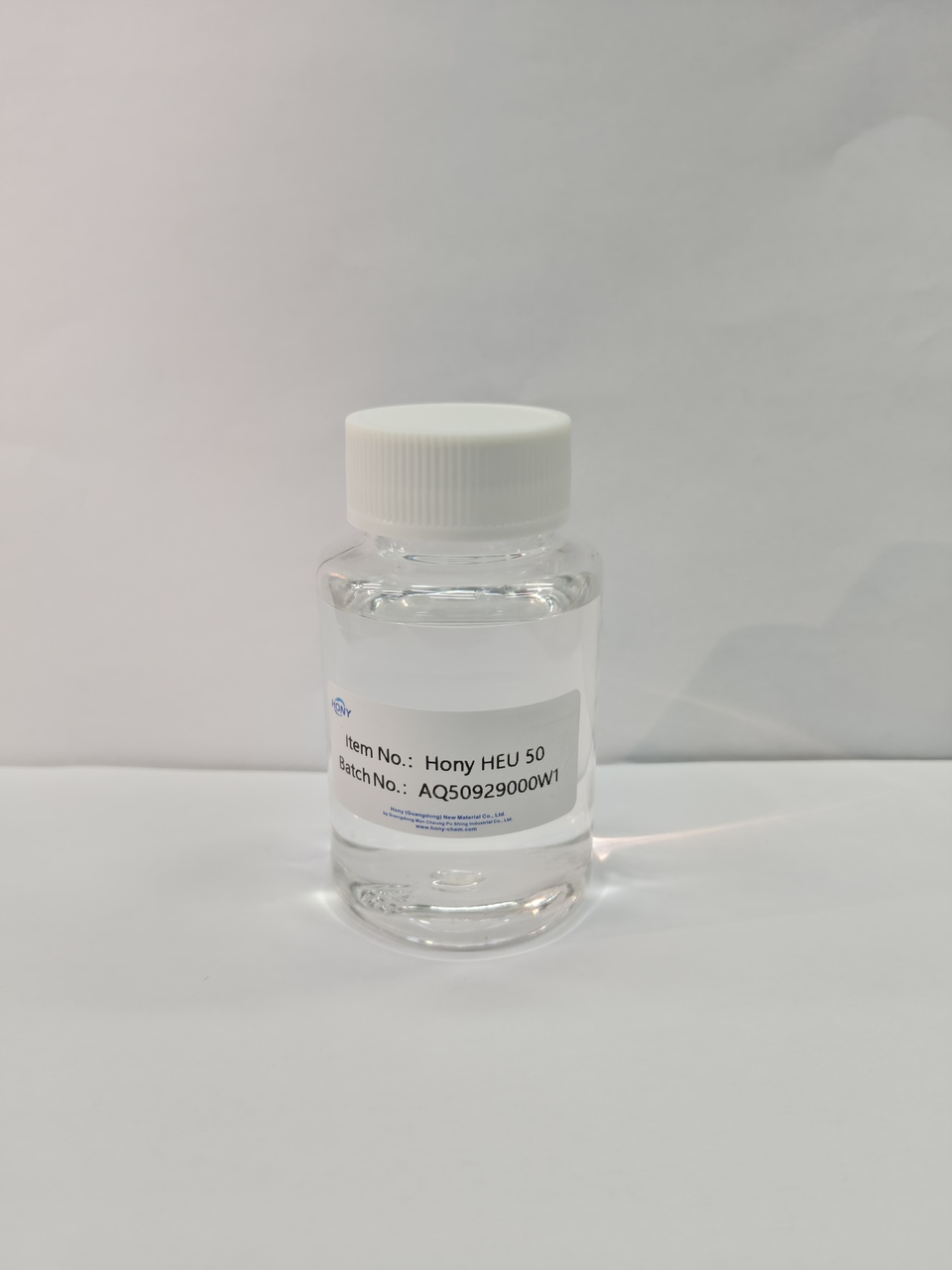
Understanding the chemical differences between these two compounds explains their divergent performance on the skin. Standard urea is a simple organic compound with a low molecular weight, allowing it to penetrate deeply but also making it highly reactive. When chemists synthesize hydroxyethyl urea, they attach a bulky hydroxyethyl group to the base urea molecule. This structural modification fundamentally alters how the molecule interacts with human skin tissue. The addition of the hydroxyethyl group creates steric hindrance, preventing the molecule from fitting into the enzymatic pockets that standard urea uses to break down cellular adhesion. Consequently, the exfoliating properties are eliminated entirely. Simultaneously, the added hydroxyl groups enhance the molecule's hygroscopic capacity. It binds water much more efficiently than standard urea without compromising the structural integrity of the skin barrier.
The performance outcomes of this structural change are significant for cosmetic chemists. When you formulate with a hydroxyethyl urea moisturizer, you achieve a strictly hydrating mechanism. The ingredient draws moisture from the ambient environment and the deeper dermal layers directly into the stratum corneum. It holds that moisture in place through strong hydrogen bonding. It does not soften tissue or dissolve dead skin cells. You get pure, unadulterated hydration without the tissue-softening effects of standard urea. This makes it ideal for daily moisturizers, delicate eye creams, and soothing post-procedure serums where any form of chemical exfoliation is highly undesirable.
Despite these clear technical advantages, formulators must navigate consumer perception carefully. There is a lingering stigma surrounding "urea" derivatives in the clean beauty and mainstream skincare markets. Consumers often confuse hydrating urea compounds with formaldehyde-releasing preservatives. Ingredients like diazolidinyl urea or imidazolidinyl urea are synthetic preservatives designed to slowly release formaldehyde gas to kill bacteria and fungi in a formula. Hydroxyethyl urea is not a preservative. It does not release formaldehyde under any circumstances. Brands must transparently communicate this chemical reality on their packaging and digital platforms. Clear marketing copy can educate consumers on its safety, distinguishing it from controversial preservatives and highlighting its efficacy as a premium personal care moisturizing ingredient.
When evaluating humectants in the lab, chemists look at specific, measurable performance dimensions. Moisture retention efficacy is always the primary benchmark. Clinical testing using Corneometer CM 825 probes consistently shows that hydroxyethyl urea significantly improves stratum corneum hydration. It binds water tightly within the upper skin layers, preventing evaporation even in low-humidity environments. Corneometer readings typically demonstrate sustained moisture retention over 24-to-48-hour periods following a single application. This prolonged hydration directly correlates with measurable improvements in skin elasticity and biomechanical properties. The skin appears visibly plumper, smoother, and demonstrates higher resilience to environmental stressors like wind and cold temperatures.
Sensory and tactile benefits are equally important for commercial success. Hydroxyethyl urea excels in this dimension, outperforming nearly all traditional polyols. It functions beautifully as a non-greasy cosmetic humectant. When added to an emulsion or aqueous gel, it actively improves the spreadability of the final product. The coefficient of friction drops, allowing the emulsion to glide over the skin effortlessly. Furthermore, it increases the perceived absorption rate. The product sinks into the skin quickly, leaving a dry, smooth, and velvety finish rather than a wet, tacky film. This elegant skin-feel encourages consumer compliance. When a product feels good to apply, consumers use it more consistently, leading to better long-term dermatological outcomes.
Beyond simple hydration, this ingredient offers excellent synergy with the skin's natural barrier lipids. A healthy skin barrier relies on a complex, highly organized matrix of ceramides, cholesterol, and free fatty acids. Hydroxyethyl urea complements these intercellular lipids perfectly. It hydrates the aqueous regions of the stratum corneum, swelling the corneocytes, while the lipids seal the intercellular spaces to prevent moisture escape. Recent dermatological reviews suggest that urea derivatives also support cellular defense mechanisms. They help regulate gene expression in keratinocytes, promoting healthy cellular differentiation as cells migrate toward the skin surface. This action also bolsters the skin's natural antimicrobial peptide (AMP) production, making it highly beneficial for compromised skin barriers prone to irritation or micro-infections.
Serums require a delicate balance of high active loads and low viscosity. Hydroxyethyl urea is highly water-soluble, allowing you to leverage it easily in clear, water-based serums. You can push the concentration up to 10% or even 15% without ruining the texture or clarity of the fluid. It dissolves completely in the water phase at room temperature, making cold-process manufacturing entirely feasible and energy-efficient.
To formulate a stable, high-concentration serum, follow these standard compounding steps:
Charge the main mixing vessel with deionized water and begin moderate agitation (approx. 300-500 RPM).
Disperse your chosen water-soluble rheology modifier (e.g., Xanthan Gum or Hydroxyethylcellulose) until fully hydrated and uniform.
Add the hydroxyethyl urea slowly into the vortex, allowing it to dissolve completely. The solution should remain crystal clear.
Incorporate your buffer system (lactic acid and sodium lactate) to lock the pH between 5.5 and 6.5.
Add heat-sensitive actives, botanical extracts, and the preservative system, mixing until homogeneous.
Layering dynamics are critical for serums. Consumers apply serums first, followed by heavier creams, sunscreens, or occlusive facial oils. You must ensure the serum absorbs rapidly and creates a smooth film. If the humectant load is too sticky, the subsequent layers will pill, ball up, and roll off the skin. By utilizing this specific ingredient, the serum dries down to an invisible finish, creating an optimal, non-disruptive canvas for the next step in the skincare routine.
Integrating a Hydroxyethyl Urea Moisturizer into emulsions requires standard hot-process compounding techniques. You add it directly to the water phase of both oil-in-water (O/W) and water-in-oil (W/O) emulsions. It withstands moderate shear forces during homogenization (e.g., 3000-5000 RPM for 5-10 minutes). However, you must balance the humectant load with appropriate emollients to optimize the Hydrophilic-Lipophilic Balance (HLB) and overall skin feel. While the humectant draws water into the skin, emollients like squalane, shea butter, or caprylic/capric triglyceride prevent that water from evaporating. This combination creates a comprehensive moisturizing system that actively seals in hydration.
This ingredient is particularly useful when targeting specialized therapeutic-adjacent markets. Many brands formulate heavy creams for extreme xerosis, rough/scaly skin treatments, and diabetic dry skin relief. Standard urea is often the default choice here, but it can cause severe stinging and irritation on micro-tears commonly found in severely dry skin. Hydroxyethyl urea provides the intense, deep hydration required for diabetic dry skin relief without the irritation risks associated with standard urea exfoliation, making it a much safer alternative for compromised dermal tissue.
Facial and body cleansers often strip the skin of its natural lipids and moisturizing factors. Anionic surfactants like Sodium Laureth Sulfate (SLES) or Sodium Cocoyl Isethionate (SCI), along with amphoteric surfactants, remove dirt and sebum but also damage the delicate lipid barrier. Formulators utilize hydroxyethyl urea to counteract these lipid-stripping effects. Adding it to the surfactant chassis helps maintain hydration during the washing process, preventing the tight, uncomfortable feeling that often follows cleansing.
Evaluating deposition rates is the primary challenge here. Because the ingredient is highly water-soluble, much of it washes down the drain during rinsing. However, a well-formulated cleanser can utilize coacervation technology. By combining the humectant with cationic polymers (like Polyquaternium-10 or Guar Hydroxypropyltrimonium Chloride), you can create a coacervate phase upon dilution with water. This phase helps deposit a thin layer of the humectant onto the skin surface. The skin feels less tight, less squeaky, and retains a baseline level of moisture, perfectly preparing the barrier for post-cleanse leave-on products.
No raw material is without formulation risks, and scaling up from the lab bench to production requires careful parameter control. pH sensitivity is the primary concern when working with any urea derivative. You must identify and maintain the critical pH window throughout the product's entire shelf life. For hydroxyethyl urea, the ideal pH range is strictly between 5.0 and 8.0. If the pH drops too low or climbs too high, the molecule can begin to degrade, compromising efficacy and stability. To prevent this, you must implement a robust buffer system. A combination of lactic acid and sodium lactate works exceptionally well. A standard ratio (e.g., 0.5% Lactic Acid to 1.0% Sodium Lactate) provides excellent buffering capacity. This buffer prevents the alkaline drift that often ruins the product's viscosity and preservative efficacy over time.
Thermal stability during manufacturing also requires strict attention. While the ingredient is relatively stable, excessive heat over prolonged periods can accelerate degradation. Establish strict guidelines for temperature thresholds during the heating and cooling phases of emulsion manufacturing. It is generally recommended to add hydroxyethyl urea during the cool-down phase, ideally below 50°C. If it must be added to the main water phase before heating, ensure the batch is not held above 75°C for more than two hours. This minimizes thermal stress on the molecule and preserves its structural integrity.
Finally, be aware of ingredient incompatibilities. Highlighting potential conflicts early saves countless hours of troubleshooting in the lab. Avoid pairing this ingredient with highly acidic active ingredients. High-concentration Alpha Hydroxy Acids (AHAs) or Beta Hydroxy Acids (BHAs) that require a final formula pH below 4.0 will destabilize the urea compound. Additionally, specific rheology modifiers, particularly cross-linked polyacrylates like certain Carbomer grades, are highly sensitive to electrolytes. They may break, lose viscosity, or turn cloudy under the high salt loads introduced by the humectant and its required buffer system. Always conduct thorough compatibility testing and consider using salt-tolerant thickeners like Xanthan Gum or Polyacrylate Crosspolymer-6 when pairing them with this ingredient.
Before launching a product, you must verify its safety and regulatory standing across your target markets. Hydroxyethyl urea boasts an excellent safety profile globally. Reviewing Environmental Working Group (EWG) ratings and Cosmetic Ingredient Review (CIR) safety assessments confirms its suitability for personal care applications. The CIR Expert Panel has evaluated the clinical data and deemed it safe for use in both leave-on and wash-off cosmetic products at current practice concentrations. Standard dermatological testing, including Human Repeat Insult Patch Tests (HRIPT), rarely shows any signs of irritation, sensitization, or phototoxicity, even at higher usage rates of 10% to 15%.
Market positioning relies on structuring verifiable, compliant claims. You can confidently build marketing claims around intense hydration, long-lasting moisture retention, skin smoothing, and barrier support. Because it does not clog pores or increase sebum production, you can also claim non-comedogenic properties, making it suitable for acne-prone skin formulations. However, you must remain strictly compliant with cosmetic regulations set by bodies like the FDA or EMA. Focus your language on appearance, hydration, and beautification. Avoid crossing into unauthorized medical or therapeutic claims. Do not claim that the product will cure eczema, treat psoriasis, or heal clinical dermatitis, as these claims classify the product as a drug and require rigorous pharmaceutical approval processes.
To successfully integrate this advanced humectant into your upcoming skincare formulations and optimize your manufacturing process, execute the following steps:
Source cosmetic-grade raw materials from verified suppliers and request detailed technical data sheets alongside certificates of analysis.
Formulate a simple baseline serum to test its solubility, clarity, and sensory profile directly against your current glycerin standard.
Incorporate a lactic acid and sodium lactate buffer system immediately during initial compounding to establish baseline pH stability.
Run a 12-week accelerated stability test at 45°C to monitor for any alkaline pH drift, viscosity changes, or phase separation.
Conduct internal sensory panels to evaluate spreadability, absorption rate, and post-application tackiness on various skin types.
A: Standard urea provides both hydration and exfoliation at higher concentrations, but it frequently causes pH instability and ammonia release in formulas. Hydroxyethyl urea is structurally modified to eliminate the exfoliating properties entirely. It functions solely as a highly stable, non-irritating humectant that draws and binds moisture to the skin without disrupting the cellular barrier.
A: No. The addition of the bulky hydroxyethyl group to the base urea molecule completely removes its keratolytic ability. It will not break down dead skin cells or force cellular turnover. It is strictly a hydrating ingredient, making it exceptionally safe for sensitive, reactive skin that cannot tolerate chemical exfoliants.
A: Usage rates typically range from 1% to 10% depending on the specific formulation type. Light daily serums and facial lotions often use 2% to 5% for weightless hydration. Intensive barrier creams or targeted treatments for severe dryness may utilize up to 10% to maximize trans-epidermal water loss reduction.
A: Yes, it can replace glycerin entirely or work synergistically alongside it. Formulators often substitute it for glycerin to reduce the sticky, tacky skin-feel associated with high-glycerin formulas. It provides similar or superior hydration capacity while offering a much cleaner, faster-absorbing, and cosmetically elegant finish.
A: Yes. Because it does not exfoliate or chemically disrupt the stratum corneum, it is highly suitable for compromised barriers. It helps replenish essential moisture, supports natural lipid function, and soothes rough skin without causing the stinging, burning, or irritation sometimes associated with standard urea.
A: You must maintain the formula's final pH strictly between 5.0 and 8.0. To prevent the pH from drifting upward over time due to minor degradation, incorporate a reliable buffer system. A combination of lactic acid and sodium lactate is the industry standard for stabilizing urea derivatives in water-based emulsions.


