

 +86-20-8759-9901
Views: 0 Author: Site Editor Publish Time: 2026-10-18 Origin: Site


Want a crystal-clear shampoo that delivers brilliant, mirror-like shine? For decades, this has been a persistent paradox on the formulation bench. Traditional conditioning agents inevitably cause cloudiness in water-based formulas. They instantly ruin the pristine, glass-like aesthetic consumers crave. Fortunately, the advent of modified siloxane polymers solves this frustrating problem completely.
In this comprehensive guide, we will explore exactly how these innovative ingredients work. We dive deep into their unique chemistry, structural formulation benefits, and the transformative effects they have on overall hair texture and gloss.
Crystal Clear Formulas: Utilizing modified siloxane polymers allows cosmetic chemists to incorporate powerful conditioning agents into shampoos without inducing turbidity, cloudiness, or phase separation.
Enhanced Shine: By smoothing the hair cuticle and depositing a lightweight, continuous film, these specialized ingredients dramatically increase the refractive index, improving overall hair gloss.
Zero Heavy Build-up: Unlike traditional hydrophobic oils, hydrophilic variants rinse out efficiently. This prevents the heavy, greasy residue that typically weighs fine hair down over time.
Versatile Formulation: These conditioning agents demonstrate exceptional compatibility with a wide range of anionic, amphoteric, and non-ionic surfactants, simultaneously improving lather quality and wet-combing performance.
In the realm of personal care, achieving both high performance and visual appeal requires meticulous ingredient selection. Standard siloxanes are inherently hydrophobic. They aggressively repel water. By altering their molecular architecture, chemists can harness the slip, shine, and protective properties of these polymers while maintaining complete solubility in aqueous systems. A highly refined water soluble silicone is essentially a synthetic organosilicon polymer intentionally modified to dissolve seamlessly into water-based matrices like clear shampoos.
The transformation of a hydrophobic oil into a hydrophilic ingredient relies on a sophisticated chemical process known as PEGylation. Standard dimethicone consists of a siloxane backbone made of alternating silicon and oxygen atoms. To render it water-soluble, chemists graft Polyethylene Glycol chains onto this framework.
Because this glycol is highly water-loving, attaching it to the oil-loving backbone creates an amphiphilic molecule. This dual nature allows the molecule to interact favorably with water through hydrogen bonding. Meanwhile, it retains the exceptional conditioning characteristics of the siloxane portion. Ultimately, the specific ratio of silicone to glycol determines the Hydrophilic-Lipophilic Balance of the ingredient. This balance dictates its exact behavior in a cosmetic formulation.
Within the personal care industry, specific international nomenclature designations indicate the degree of PEGylation. The most prevalent industry standards for clear, aqueous formulations are PEG-8 Dimethicone and PEG-12 Dimethicone. The number following the prefix denotes the average number of ethylene oxide units in the polymer chain. PEG-12 Dimethicone is particularly favored by formulators. It offers an optimal balance. It is highly soluble in water, ensuring complete optical clarity, while providing enough substantive material to effectively condition the hair shaft.
Creating a visually transparent shampoo that also delivers noticeable smoothing benefits is one of the most persistent hurdles for cosmetic chemists. Consumers associate clear products with deep cleansing and purity. Yet, they still expect the silky, shiny finish typically provided by opaque, cream-based shampoos.
Imagine pouring a premium, glass-like gel into a mixing vessel, only to watch it turn milky the moment a conditioning drop is added. This is the reality of working with pure dimethicone or cyclomethicone. When these strictly hydrophobic oils are introduced into a clear water-and-surfactant system, they do not dissolve. Instead, they form a micro-emulsion.
The suspended droplets in this emulsion possess a different refractive index than the surrounding water phase. As light passes through the liquid, these droplets scatter the light rays. This phenomenon is known as the Tyndall effect. This light scattering instantly turns a crystal-clear liquid into a hazy product, completely destroying the intended visual aesthetic.
Beyond the immediate aesthetic failure of cloudiness, incorporating non-soluble oils into clear shampoos presents severe stability risks. Because traditional variants have a different specific gravity than water, they are highly prone to physical separation over time. According to Stokes Law, suspended droplets will eventually migrate. In a shampoo matrix, they will often coalesce and float to the top of the bottle or sink to the bottom. This results in an unstable product with a drastically reduced shelf life and inconsistent performance.
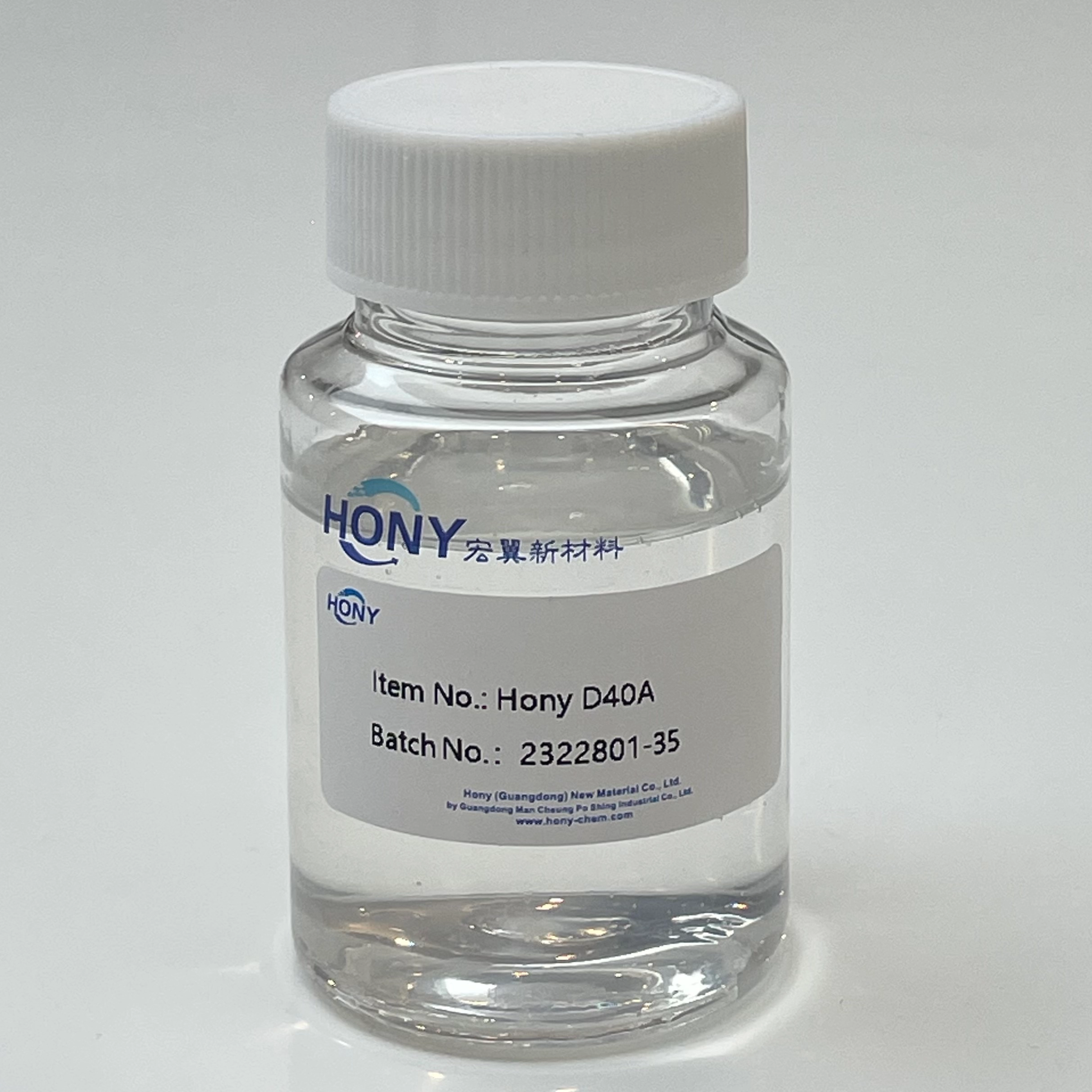
Looking at the current landscape of the global personal care market, there is a pronounced shift toward the skinification of hair and minimalist product aesthetics. Market data reveals a surging consumer preference for transparent liquids. Buyers increasingly associate these clear formats with scalp health, detoxifying properties, and ingredient purity. However, the modern buyer refuses to compromise on post-wash conditioning.
Recent market analyses indicate a massive demand for multi-functional clarifying shampoos. These products must strip away urban pollution and styling residue while simultaneously delivering a salon-quality, glossy finish. Consequently, formulators are moving away from heavy, pearlized chassis that rely on fatty alcohols or waxes. Instead, the industry is aggressively adopting advanced hydrophilic polymers. This evolution underscores a broader consumer expectation. A single, visually pure product must now perform the dual role of a rigorous cleanser and an intensive glossing treatment.
Shine is not merely a subjective visual quality. It is a measurable optical property determined by the physical condition of the hair fiber. Achieving brilliant gloss requires a perfectly smooth surface capable of reflecting light uniformly.
The outermost layer of the human hair shaft is the cuticle, which consists of overlapping, scale-like cells. Environmental stressors, thermal styling, and aggressive washing can cause these scales to lift and become jagged. When applied via a clear shampoo, the modified polymer deposits a micro-fine, uniform layer across the hair shaft. It effectively acts as a microscopic smoothing agent. It flattens the raised cuticle scales and seals them tightly against the cortex. This reduction in surface friction repairs the tactile feel of the hair.
Specifically, the physics of hair shine relies entirely on how light interacts with the cuticle. When the surface is rough, light scatters in multiple directions, resulting in a dull, matte appearance known as diffuse reflection. Conversely, a smooth cuticle allows light to bounce off in a single, concentrated direction, creating specular reflection.
By coating the smoothed cuticle with a continuous, high-refractive-index film, the modified polymer acts as a microscopic mirror on every individual hair strand. This significantly amplifies specular reflection, creating a vibrant, glossy finish that traditional agents struggle to match in a clear formula.
A common drawback of standard hair oils is their tendency to leave a heavy residue. While they may provide initial shine, they often weigh the hair down, making it look flat and unwashed. In contrast, water dispersible dimethicone provides the high-gloss benefits of a traditional conditioning agent without the associated weight. Because the molecule is hydrophilic, it does not stubbornly bind to the hair in thick layers. During the rinse phase, excess product is easily washed away, leaving behind an ultra-thin, breathable conditioning film.
Formulating with these advanced ingredients offers a multitude of functional advantages that extend far beyond basic cuticle smoothing. They solve complex chemical problems on the manufacturing floor while elevating the overall consumer experience.
The primary advantage for formulators is the absolute preservation of optical clarity. In the cosmetics industry, transparency is measured using Nephelometric Turbidity Units. Because these modified ingredients dissolve at the molecular level rather than forming suspended droplets, they do not interfere with light transmission. Formulators can add robust conditioning properties while maintaining pristine, glass-like transparency.
Hair is most vulnerable to mechanical damage when it is wet. The swelling of the hair shaft during washing causes cuticles to lift, significantly increasing friction. The substantive film deposited during washing acts as a highly effective internal lubricant. It dramatically lowers the coefficient of friction between fibers. This translates directly to superior detangling, reduced breakage, and a smoother tactile feel immediately after rinsing.
Interestingly, a frequent issue with incorporating traditional oils into shampoos is their detrimental effect on foam. Oils act as defoamers by disrupting the micellar structure of surfactants. Furthermore, modified hydrophilic polymers do not suppress foam. In many formulations, they actively enhance it. By altering the surface tension of the aqueous phase, they help stabilize the foam lamellae, providing a rich, dense, and luxurious lathering experience.
To fully grasp why these modifications are essential for clear shampoos, it is helpful to directly compare their chemical and physical behaviors against standard hydrophobic variants.
Feature or Property | Traditional Pure Dimethicone | Modified PEG-12 Dimethicone |
|---|---|---|
Solubility in Water | Insoluble and Hydrophobic | Fully Soluble and Hydrophilic |
Impact on Clear Formulas | Causes immediate cloudiness and haziness | Maintains complete optical transparency |
Phase Stability | High risk of separation over time | Highly stable in aqueous solutions |
Build-up Risk | High risk requiring harsh sulfates for removal | Low risk rinsing out easily with water |
Impact on Lather | Acts as a defoamer killing shampoo lather | Stabilizes and often boosts foam volume |
Hair Feel | Heavy coating weighing fine hair down | Lightweight breathable non-greasy finish |
Integrating these specialized polymers into a cosmetic formula requires adherence to specific chemical guidelines. While they are significantly easier to process than traditional waxes, optimal manufacturing parameters must be respected to guarantee product stability.
In clear shampoo systems, the concentration of the conditioning agent must be carefully calibrated. Industry standards typically recommend a usage rate ranging from 0.5% to 3.0% by weight. At the lower end, around 0.5% to 1.0%, it provides light detangling and a subtle boost to shine, making it ideal for daily-use formulas. At the higher end, between 2.0% and 3.0%, it delivers intensive conditioning and brilliant gloss for damaged hair. Exceeding the 3.0% threshold often yields diminishing returns. It also introduces a higher risk of microscopic phase separation.
One of the most significant manufacturing advantages of these ingredients is their cold-processability. Unlike high-molecular-weight gums that require intense heating, water-soluble variants streamline the production cycle. For instance, introducing the polymer directly into the deionized water before adding primary surfactants allows it to fully hydrate and uncoil. Alternatively, it can be added during the final cool-down phase below 40 degrees Celsius with gentle sweep agitation to avoid aerating the batch.
These polymers exhibit excellent stability across anionic, amphoteric, and non-ionic surfactant systems. However, highly PEGylated ingredients can sometimes depress the viscosity of salt-thickened surfactant matrices. Formulators often need to compensate for this by incorporating specialized rheology modifiers, such as PEG-120 Methyl Glucose Dioleate. This restores the desired gel-like consistency without compromising transparency.
The performance of a clear shampoo is inextricably linked to the purity of its raw materials. Formulators must be meticulous when selecting chemical suppliers. Inferior ingredients can easily compromise both the aesthetic and functional properties of the final formulation.
The chemical process of PEGylation must be highly controlled. Low-grade raw materials often contain unreacted cyclic siloxanes or residual catalysts. These impurities present major issues, including strict regulatory scrutiny under global environmental guidelines. In addition, unreacted materials can cause the refractive index to fluctuate, leading to a hazy appearance. Procuring high-purity ingredients is critical for maintaining absolute optical clarity.
When selecting a chemical partner, cosmetic brands must evaluate the technical capabilities of the supplier. A reliable supplier should readily provide a Certificate of Analysis and a Technical Data Sheet for every batch. For formulations requiring enhanced rheology and superior tactile feedback, integrating a high-viscosity PEG silicone hair conditioner ensures optimal deposition on the hair fiber. This is achieved without disrupting the delicate micellar structure of the clear surfactant base.
Once the formulation is finalized, rigorous stability testing is required to validate the system. Clear shampoos are notoriously unforgiving. Even microscopic instabilities will be immediately visible to the consumer. Formulators must subject prototypes to accelerated aging protocols. This typically involves storing the shampoo at elevated temperatures between 40 and 50 degrees Celsius for 8 to 12 weeks to monitor for potential clouding.
Furthermore, freeze-thaw testing guarantees that the polymer remains fully solubilized after exposure to extreme cold during logistics. Photostability testing is also highly recommended to ensure the formula does not degrade or turn yellow when sitting under bright retail lighting. Adhering to these strict testing protocols allows brands to confidently scale up production.
Mastering the formulation of a crystal-clear shampoo requires bridging the gap between aesthetic product design and superior haircare performance. By leveraging advanced hydrophilic polymers, cosmetic chemists can finally deliver brilliant, mirror-like shine without leaving any heavy, greasy residue behind. For modern haircare brands looking to innovate and capture consumer attention, utilizing these highly soluble conditioning agents is an absolutely essential step. We encourage formulators and brand owners to reach out to trusted chemical suppliers, request high-purity samples, and begin testing these transformative solutions in their next production batch immediately. Explore the extensive catalog at Hony Chem to find the exact specifications required for your innovative clear shampoo projects.
No, it does not cause persistent build-up. The fundamental chemistry of these modified polymers includes hydrophilic functional groups. Unlike traditional hydrophobic oils, which require strong anionic sulfates to be removed, water-soluble variants are easily rinsed away with standard water flow. They leave behind a microscopic, breathable monolayer that provides shine during styling but is completely removed during the next wash cycle, preventing the heavy, limp feeling associated with standard accumulation.
Yes, it is widely recognized as safe for cosmetic and personal care applications. The Cosmetic Ingredient Review Expert Panel has extensively evaluated these modified polymers and concluded that they are exceptionally safe for use in rinse-off products. Because of their large molecular weight, they do not penetrate the dermal barrier of the scalp. They are non-irritating and gentle enough to be formulated into daily-use clarifying and volumizing shampoos.
Absolutely. In fact, they are highly recommended for these specific systems. Sulfate-free shampoos often utilize milder surfactants that can sometimes leave the hair feeling slightly stripped or tangled during wet-combing. Because standard conditioning oils cannot be solubilized in these mild bases without causing severe cloudiness, hydrophilic polymers serve as the perfect solution. They integrate seamlessly into sulfate-free matrices, providing necessary slip and post-wash shine while maintaining a premium, transparent aesthetic.
No, it is exceptionally well-suited for fine or thinning hair profiles. Traditional high-viscosity oils create a thick, occlusive coating on the hair shaft, which adds physical weight and causes fine hair to fall flat. In contrast, the unique solubility of this modified ingredient ensures that only a highly refined, lightweight film adheres to the cuticle. Excess product is instantly washed down the drain, allowing formulators to deliver targeted friction reduction and high-gloss light reflection without compromising natural volume or bounce.
Depending on the specific surfactant matrix, introducing PEG-12 Dimethicone can sometimes cause a slight reduction in final viscosity. This occurs because the hydrophilic chains interact with the surfactant micelles, slightly altering their packing structure. Experienced formulators easily counter this effect by incrementally increasing the salt concentration or by adding a dedicated rheology modifier during the final blending phase to restore the perfect gel consistency.
While standard silicones are highly resistant to biodegradation, modified water-soluble variants break down differently in the environment. The polyethylene glycol chains are readily susceptible to microbial degradation. The remaining siloxane backbone degrades primarily through abiotic processes, such as hydrolysis in soils and waterways, eventually breaking down into naturally occurring silica, water, and carbon dioxide. Formulators should always request specific environmental fate data from their chemical suppliers to ensure compliance with regional sustainability standards.


