 +86-20-8759-9901
Views: 0 Author: Site Editor Publish Time: 2026-11-13 Origin: Site


Heat styling tools like flat irons, curling wands, and blow dryers have become essential for achieving that polished, salon-fresh aesthetic. Yet, this daily pursuit of perfection often comes at a steep price. Routinely exposing hair to temperatures exceeding 300°F (150°C) can lead to irreversible structural damage. If you have ever wondered how stylists manage to deliver glossy, damage-free results despite the intense heat, the answer lies in advanced cosmetic chemistry. Specifically, it depends on the precise application of synthetic polymers.
As one of the most effective and extensively researched components in modern personal care, high-performance silicone technology acts as a microscopic, breathable shield for your strands. In this guide, we will break down the science of thermal damage, explore how modern formulations mitigate this destruction, and demonstrate how integrating the right protective products can transform your daily routine from brittle and fried to resilient and radiant.
Key Takeaways
Thermal Barrier Creation: Specialized polymers coat the hair shaft, creating a physical shield that dampens the direct impact of high-intensity heat from styling tools.
Moisture Lock Technology: These fluids prevent "flash drying"—the rapid, violent expansion of internal water—by sealing the cuticle layer.
Exceptional Stability: Unlike many botanical oils that oxidize at high temperatures, synthetic protective fluids remain chemically stable under the pressure of professional-grade ceramic or titanium plates.
Advanced Versatility: Modern chemistry has produced modified, water-soluble options that provide full protection without the risk of heavy, long-term product accumulation.
To grasp why your hair needs protection, it is vital to look at the biology of the fiber. Human hair is primarily built from keratin, a structural protein that is robust under normal conditions but highly vulnerable to thermal breakdown. Once temperatures surpass 300°F, the alpha-helix structures within these proteins begin to denature. This causes the hair to lose its elasticity and strength permanently.
Beyond protein degradation, high heat triggers a physical phenomenon known as flash drying. Healthy hair retains internal moisture that provides flexibility and sheen. When a hot tool clamps down on an unprotected, damp strand, the water trapped in the cortex boils instantly. The resulting steam forces its way through the delicate cuticle scales, creating hollow voids or "bubbles." These structural weak points lead to mid-shaft snapping and split ends. Recent industry trends show a clear move toward multifunctional protective systems that prioritize this moisture-locking capability, moving away from simple oil-based barriers toward sophisticated, heat-stable polymers.
The aftermath of thermal trauma is usually visible: frizz, a straw-like texture, and a dull finish. By utilizing a high-quality heat protection silicone fluid, you are essentially providing a sacrificial layer. This layer buffers the thermal shock, ensuring that the intense heat of your tool is dissipated across the shield rather than penetrating the hair core directly.
Scientifically referred to as polydimethylsiloxane, or PDMS, this synthetic polymer is a pillar of the modern cosmetic industry. Its molecular structure features a flexible backbone of alternating silicon and oxygen atoms. This design provides the ingredient with incredible lubricity, slip, and unmatched environmental stability. Because these molecules are large, they cannot penetrate the cuticle to enter the cortex. Instead, dimethicone fluid spreads evenly over the hair surface.
This surface-level adherence is exactly what makes it such an effective shield against friction and extreme temperatures. Cosmetic chemists select specific viscosities—measured in centistokes—to match different hair needs. Low-viscosity fluids are incredibly lightweight, making them ideal for fine-mist sprays that won’t weigh down thin hair. In contrast, high-viscosity versions provide a more robust coating, perfect for deep-conditioning serums that tame thick, textured hair.
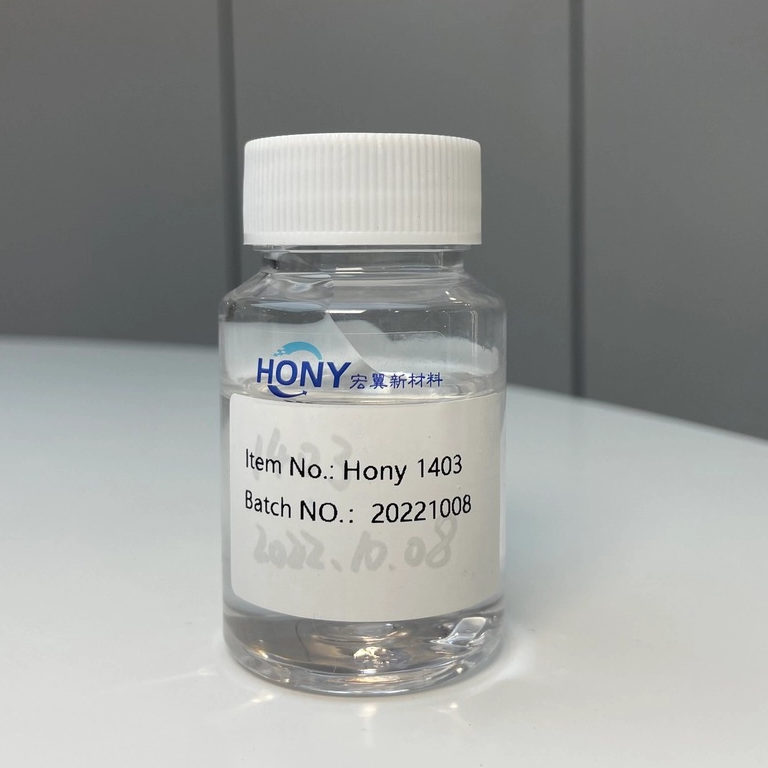
While thermal protection is the primary goal, these polymers offer secondary benefits that have made them favorites among hair care professionals. Their hydrophobic nature not only locks moisture in but also keeps environmental humidity out. Frizz typically occurs when dry, porous hair absorbs water vapor from the air, causing the shaft to swell. By creating a water-repellent surface, these fluids ensure that your style stays intact even in humid conditions.
Furthermore, the superior slip provided by these ingredients reduces mechanical damage. Daily brushing and combing often tear the hair cuticle, especially if it is already dry. These protective fluids significantly lower the coefficient of friction between strands, allowing brushes to glide through without snagging. This reduction in physical stress prevents breakage and keeps the cuticle layer smooth, which in turn enhances light reflection and overall shine.
The debate between natural oils and synthetic protection is a common topic in beauty circles. However, if we look at the chemistry, the distinction is clear. Many popular botanical oils, such as coconut or olive oil, have relatively low smoke points. When these oils are heated beyond their smoke point, they begin to oxidize and break down into free radicals. This can lead to the very damage the user is trying to avoid—a phenomenon often referred to as "cooking" the hair.
Synthetic silicone fluids, however, are engineered for thermal endurance. They do not degrade or smoke at the temperatures typically reached by styling tools, making them the superior choice for high-heat routines. They offer a weightless finish that won't leave the hair greasy, provided the formula is well-balanced. As styling habits continue to evolve, the demand for stable, non-oxidizing protection remains at an all-time high.
Protectant Type |
Typical Smoke Point |
High-Heat Suitability |
|---|---|---|
Coconut Oil |
~350°F |
Low - Prone to smoke/oxidation. |
Olive Oil |
~380°F |
Low - Degrades under professional tools. |
Argan Oil |
~420°F |
Moderate - Borderline for high heat. |
Dimethicone Fluid |
>450°F |
High - Stable and protective. |
You may have heard claims that silicones "suffocate" the hair. From a scientific perspective, this is a misunderstanding. Hair is biologically dead tissue; it does not "breathe." While it is true that some heavy, non-soluble silicones can accumulate if you aren't using an effective cleansing routine, this is not a permanent condition. A clarifying shampoo used once or twice a month is more than enough to reset your hair canvas.
For those who remain hesitant about potential accumulation, the industry has responded with innovation. Chemists have developed modified structures that are hydrophilic. By using a water soluble silicone conditioner, you gain all the smoothing and protective benefits of traditional silicones while ensuring the product rinses away completely with just water or a mild cleanser. This innovation is becoming the gold standard for daily users who demand both performance and ease of use.
Even the best formulation will underperform if applied incorrectly. Start by applying your chosen protector to towel-dried hair if you are blow-drying. This seals in existing moisture before the heat hits. If you are using a flat iron, it is non-negotiable to wait until the hair is 100% dry. If you hear a "sizzling" sound, that is the sound of water boiling—and damaging—your hair.
Sectioning your hair is another critical step. Do not just mist the top layer. Divide the hair into quadrants to ensure the product reaches the under-layers, which are often the most prone to tangling and breakage. Use a wide-tooth comb to ensure even distribution from mid-lengths to ends, where the hair is oldest and most vulnerable. Consistent, thorough application is the difference between a style that looks healthy and one that is slowly breaking down.
No ingredient can biologically repair hair, as the hair fiber cannot regenerate cells. However, these fluids act as advanced cosmetic fillers. They smooth down the frayed, jagged edges of the cuticle and temporarily bridge split ends, making the hair look healthier, feel softer, and prevent further mechanical degradation while you wait for the damaged sections to be trimmed away.
Yes, daily use is highly recommended if you rely on heat styling regularly. The key is consistent protection. Just ensure your cleansing routine is appropriate. If you notice your hair feels heavy or dull after a few weeks, simply incorporate a clarifying shampoo into your routine to remove any potential accumulation.
This is a formula where the silicone has been chemically modified with groups like polyethylene glycol. These groups make the silicone molecule compatible with water. As a result, you get the same shine, detangling, and thermal protection as traditional silicones, but with the added convenience that the product washes out easily without harsh sulfates.
It depends entirely on the product's viscosity. Fine hair requires lightweight, volatile silicones that provide protection but evaporate quickly after doing their job. Look for sprays rather than thick, heavy-duty creams, and you will get the shielding you need without compromising your hair's natural volume or movement.
There is no credible scientific evidence suggesting that dimethicone leads to hair loss. It is a biologically inert ingredient that sits on the surface of the hair and does not penetrate the scalp or disrupt follicle function. As long as you maintain a clean scalp, there is no reason to worry about it affecting your hair growth.