 +86-20-8759-9901
 Views: 0 Author: Site Editor Publish Time: 2026-04-20 Origin: Site


Many hair tips improve shine, softness, or styling results, but not every tip truly supports the scalp or the root area. That is why Nutrient Supply for Hair Care deserves a practical discussion instead of another general hair advice article. For Hony Chem, this topic is about helping brands create products that fit real weekly routines, support the scalp in a consistent way, and contribute to stronger-looking hair over time.
A common mistake in hair care is using every product as if it should be applied in the same way. Many people naturally focus on the lengths because that is where frizz, dryness, or roughness are easiest to see. But products designed to support the root need scalp contact to make sense.
When a formula is built around nutrient supply, the scalp should not be an afterthought. It should be the main target. That changes the logic of the routine. Instead of treating hair care as surface repair alone, the routine begins to support the environment where healthier-looking hair starts.
This is why scalp serum tips matter. A well-designed scalp product needs to be used where it can actually do its job. Clear placement, regular use, and a realistic routine all make a difference. For Hony Chem, ingredient performance is closely linked to this point: a good formula works best when it is used in the right place and in the right rhythm.
Consistency matters more than intensity. Many routines fail because they become too heavy, too sticky, or too complicated to maintain. A product may sound effective on paper, but if it leaves buildup or feels unpleasant on the scalp, people often stop using it.
A better approach is to keep the routine wearable. Lightweight support is easier to repeat, especially in daily or weekly care. This is important in any anti-hair loss routine, because progress depends on continued use rather than one dramatic treatment.
For brands, this also matters at the formula level. Consumers want scalp care that feels functional but still clean and comfortable. A routine that fits real life is far more valuable than one that feels impressive only at the beginning.
Wash day is one of the best places to organize nutrient-supply care. A pre-wash step can help prepare the scalp before cleansing, especially when the formula is lightweight and easy to rinse.
This step should stay simple. It is not about making the routine longer for the sake of looking advanced. It is about giving the scalp targeted attention before shampoo, so the rest of the routine feels more connected. For readers looking for practical scalp routine tips, pre-wash care works best when it supports balance instead of adding heaviness.
A shampoo in this kind of routine should do more than remove buildup. It should also leave the scalp feeling comfortable enough for the next step. If cleansing is too harsh, the scalp may feel tight or dry, and that can make the rest of the routine feel less supportive.
This is why cleansing should not be separated from nutrient supply. The scalp condition after washing affects how well support products fit into the routine. A gentle, well-balanced shampoo helps create a better foundation for ongoing care.
Conditioner and leave-on products have different roles, and the routine works better when that difference is clear. Conditioner usually supports softness and manageability through the lengths. A leave-on product is more suitable when direct scalp support is part of the goal.
Both can belong in the same system, but they should not be treated as interchangeable. Hony Chem highlights applications in hair oil, shampoo, conditioner, and hair gel because nutrient-supply care can be built across several product formats. The key is to keep the scalp central and let each product serve a specific purpose.
Routine moment | Goal | Best type of support | Practical note |
Before washing | Prepare scalp | Lightweight scalp treatment | Keep it easy to rinse |
During washing | Remove buildup | Gentle shampoo | Avoid over-cleansing |
After washing | Ongoing support | Leave-on scalp care | Focus on consistency |
A simple routine often works better than a crowded one. People rarely give up on scalp care because they dislike the idea. More often, they stop because the process becomes inconvenient. Too many steps, too much product, or too much heaviness can make a routine hard to maintain.
That is why a lighter structure usually performs better in real life. Users should know what happens before washing, during washing, and after washing without feeling like they are managing too many layers. A routine that feels clean and easy encourages long-term use, and long-term use is exactly what nutrient-supply care depends on.
This principle also helps guide product design. If a formula is meant for regular scalp use, it should fit naturally into daily habits. The best scalp routine tips are often the most practical ones: support the scalp regularly, avoid overloading it, and keep the process clear.
Even a good routine can appear less effective when daily habits keep stressing the hair. Tight hairstyles, frequent heat styling, rough brushing, and repeated friction can all make hair look weaker and less full.
That is why product advice should be paired with routine behavior. Someone may use scalp-focused products correctly but still create avoidable stress through styling or rough handling. Reducing these habits helps the overall routine look more successful and makes the benefits of scalp support easier to notice.
The scalp responds to routine behavior as much as to ingredients. Over-washing, rough scrubbing, and heavy layering can make it harder to maintain comfort. A calmer scalp usually creates a better setting for products designed to support hair growth support and anti-hair loss care.
This is where routine discipline becomes important. The product and the behavior should move in the same direction. Hony Chem’s ingredient-led approach fits this logic well, because a targeted formula performs better when it is part of a balanced routine instead of a stressful one.
One reason people lose patience too early is that they expect the biggest result first. In reality, early progress is often more subtle. The scalp may feel more comfortable, the routine may feel smoother, and the hair may become easier to manage after washing.
These signs still matter. They suggest that the routine is becoming more supportive and more balanced. For readers searching for practical hair care routine advice, this is a more believable and useful way to think about progress.
More visible changes usually take longer. Fuller-looking hair, improved resilience, and a healthier overall appearance are not instant results. They develop through repeated care and a routine that stays consistent over time.
This is why nutrient-supply routines should be judged realistically. The most convincing routines are not the ones that promise overnight change. They are the ones that help users understand how regular scalp care can support stronger-looking hair more naturally and more credibly.
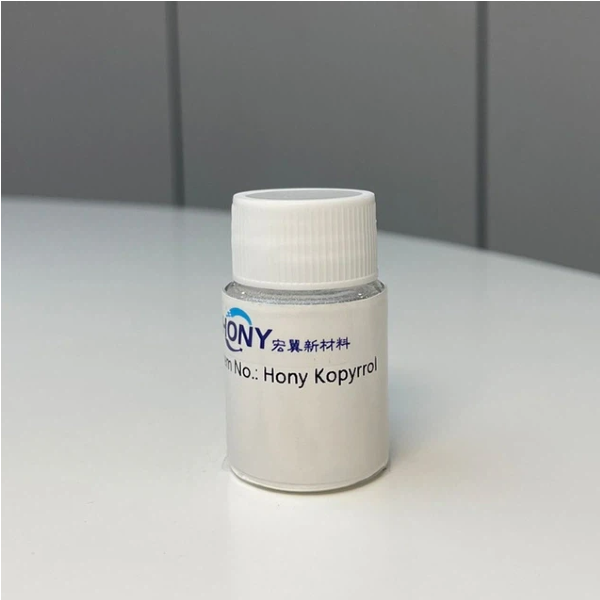
The best Nutrient Supply for Hair Care tips are the ones people can follow week after week without turning scalp care into a burden. A smart routine starts with proper scalp contact, stays light enough for consistent use, and works through wash day and daily habits as one connected system. Hony Chem supports this approach with ingredient solutions designed for practical scalp-focused formulations, and Hony KOPYRROL reflects that direction across applications such as hair oil, shampoo, conditioner, and hair gel. If you are developing hair care products with a clearer routine story and stronger user value, contact us to learn more about Hony Chem solutions.
Focus on scalp contact, keep the routine simple, avoid heavy layering, and use products consistently. A routine that fits real habits usually works better than one that feels too complicated.
That depends on the formula and routine design, but consistency matters more than intensity. A product that feels comfortable enough for regular use is usually more effective in practice.
Yes. Shampoo helps prepare the scalp by removing buildup, while conditioner supports manageability and reduces stress on the hair lengths. Both can support a broader nutrient-supply routine.
Because people are more likely to continue it. Heavy textures, too many steps, and greasy buildup often reduce consistency, while a lighter routine is easier to maintain over time.